«THE LEGACY OF THE SPORAL PARADISE»
Artist’s book. The New Keepers of Eden, 2026
The project was developed as part of the NOTA Library and Cultural Centre laboratory for the artist’s book exhibition *The Three-Volume Book: A Blessed Place. Eden after the Expulsion*, St Petersburg, 2026.
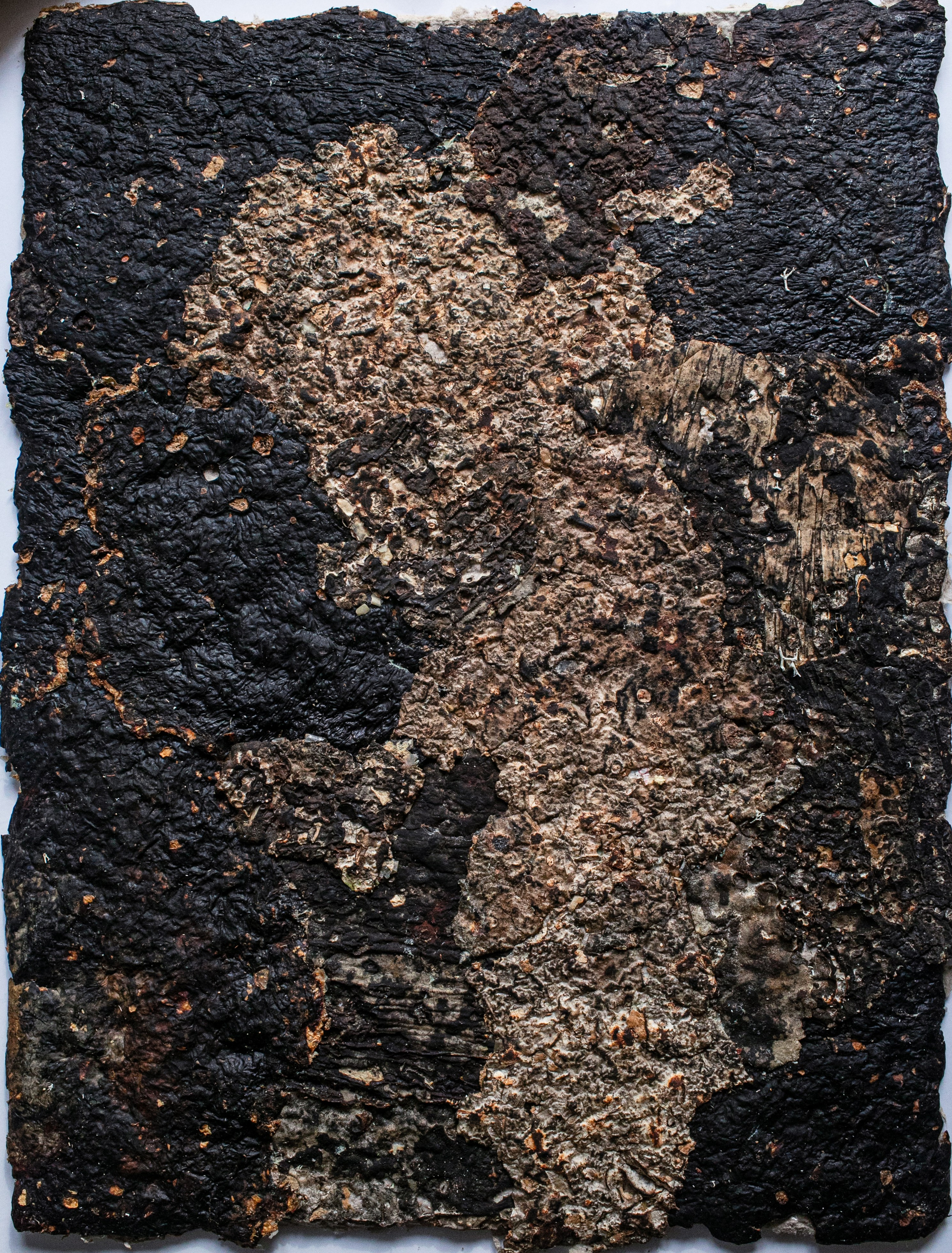
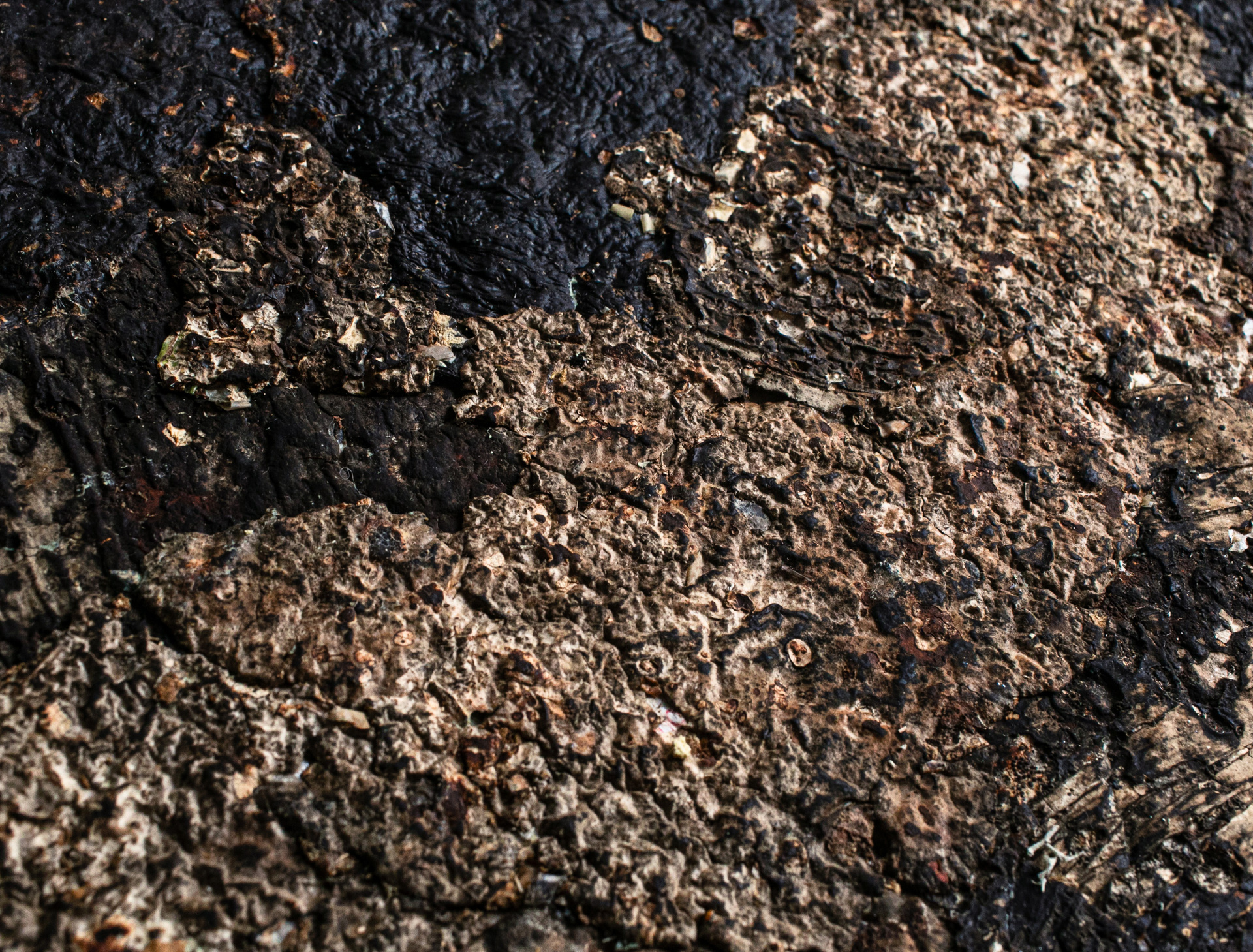
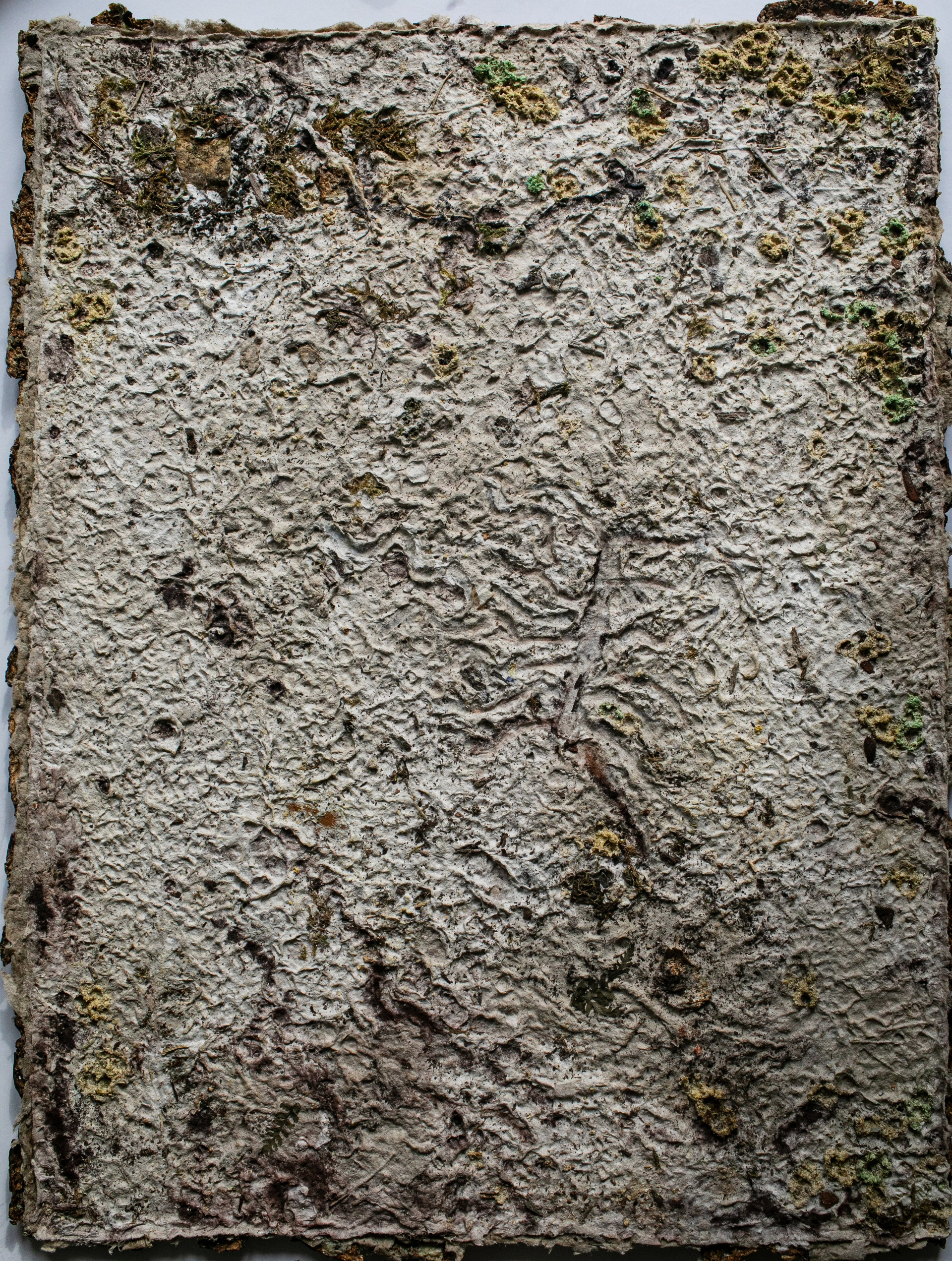
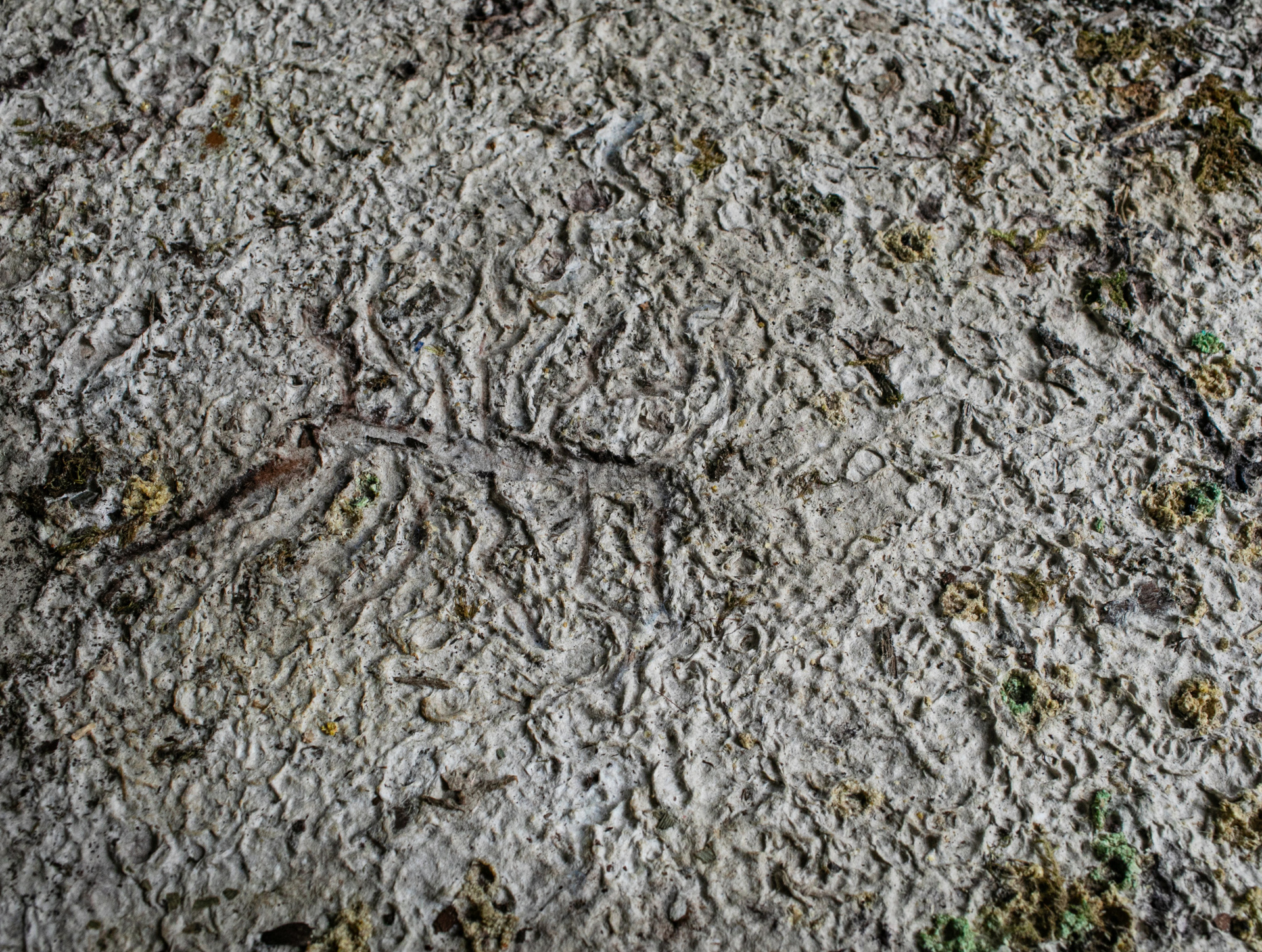
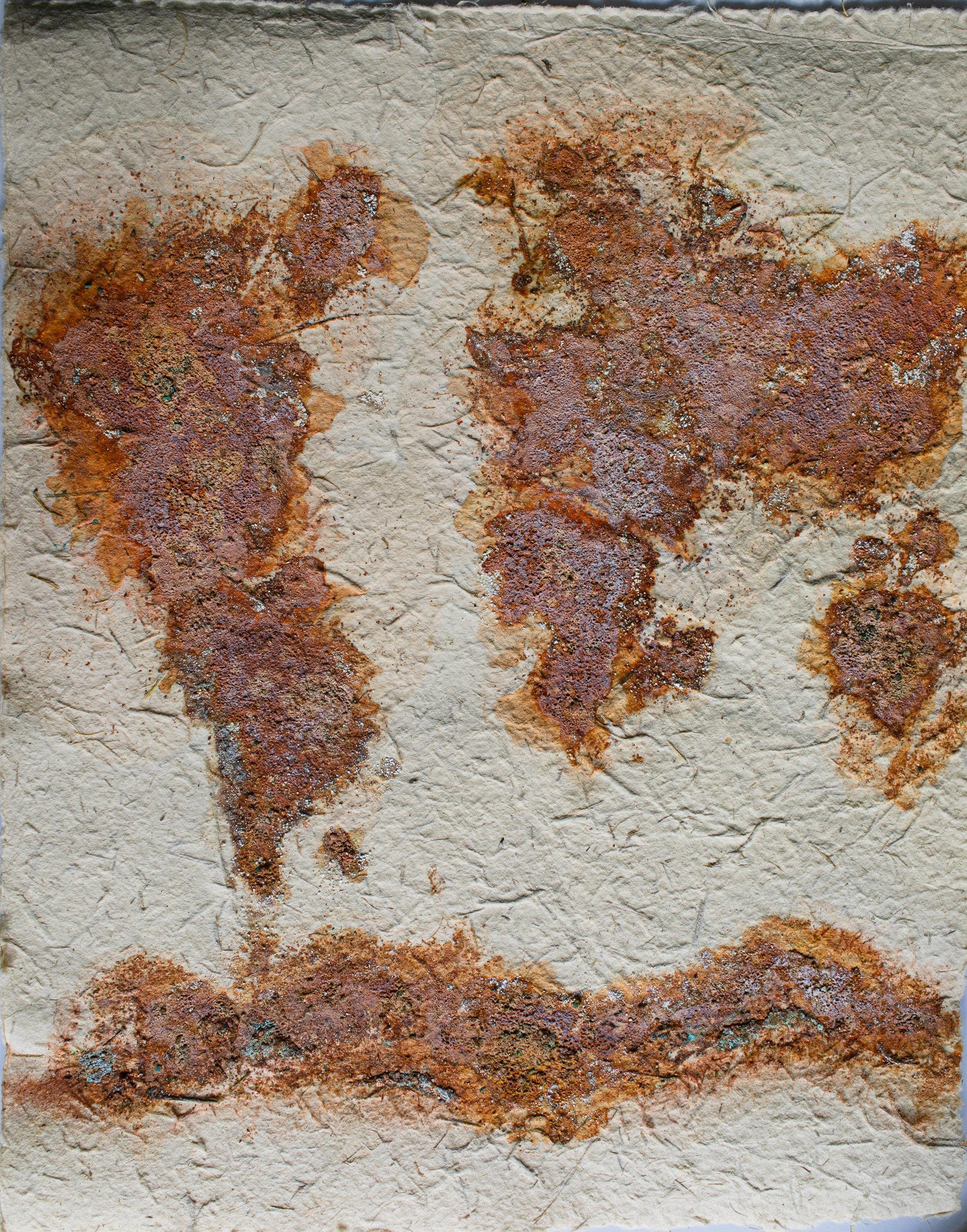
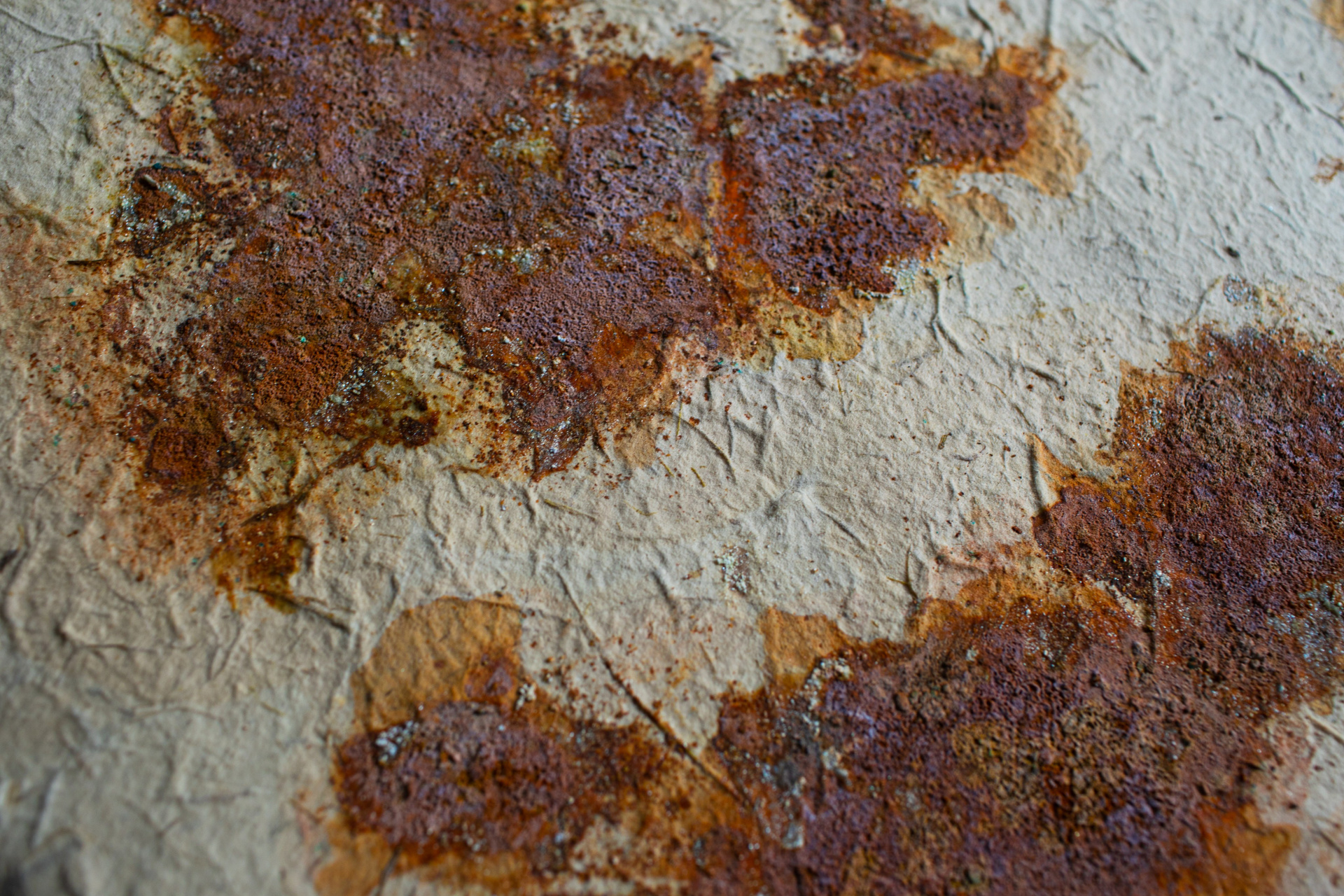
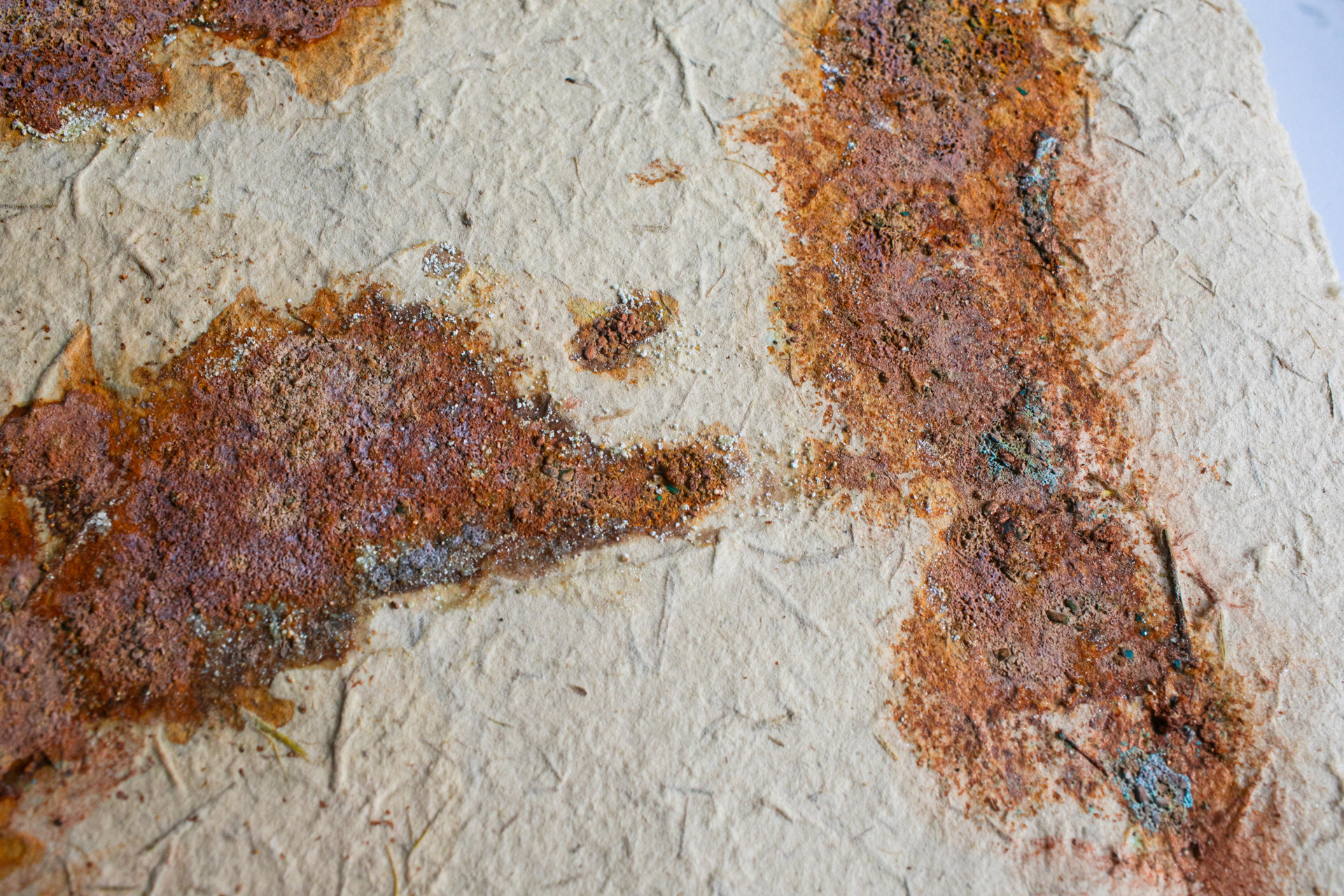
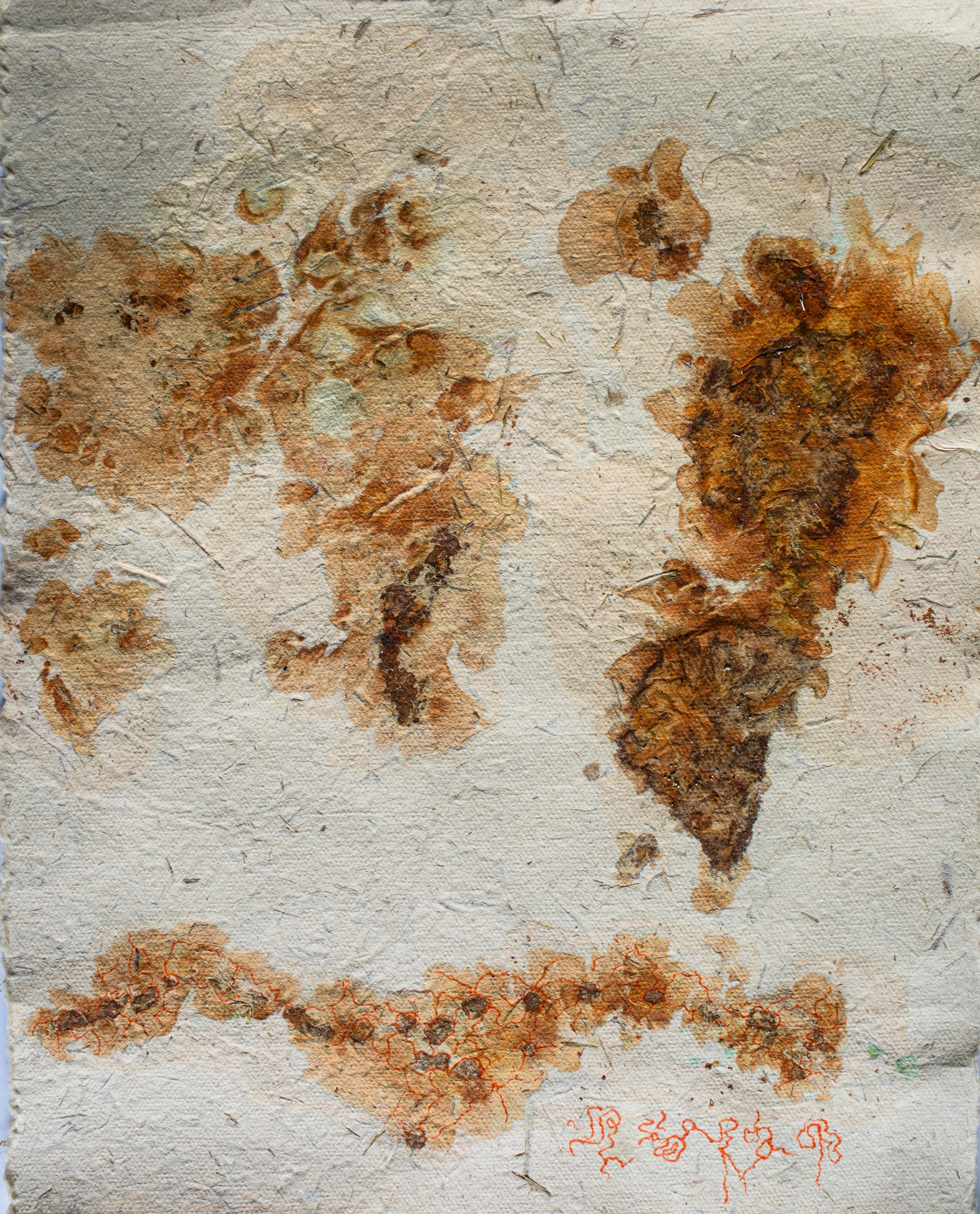
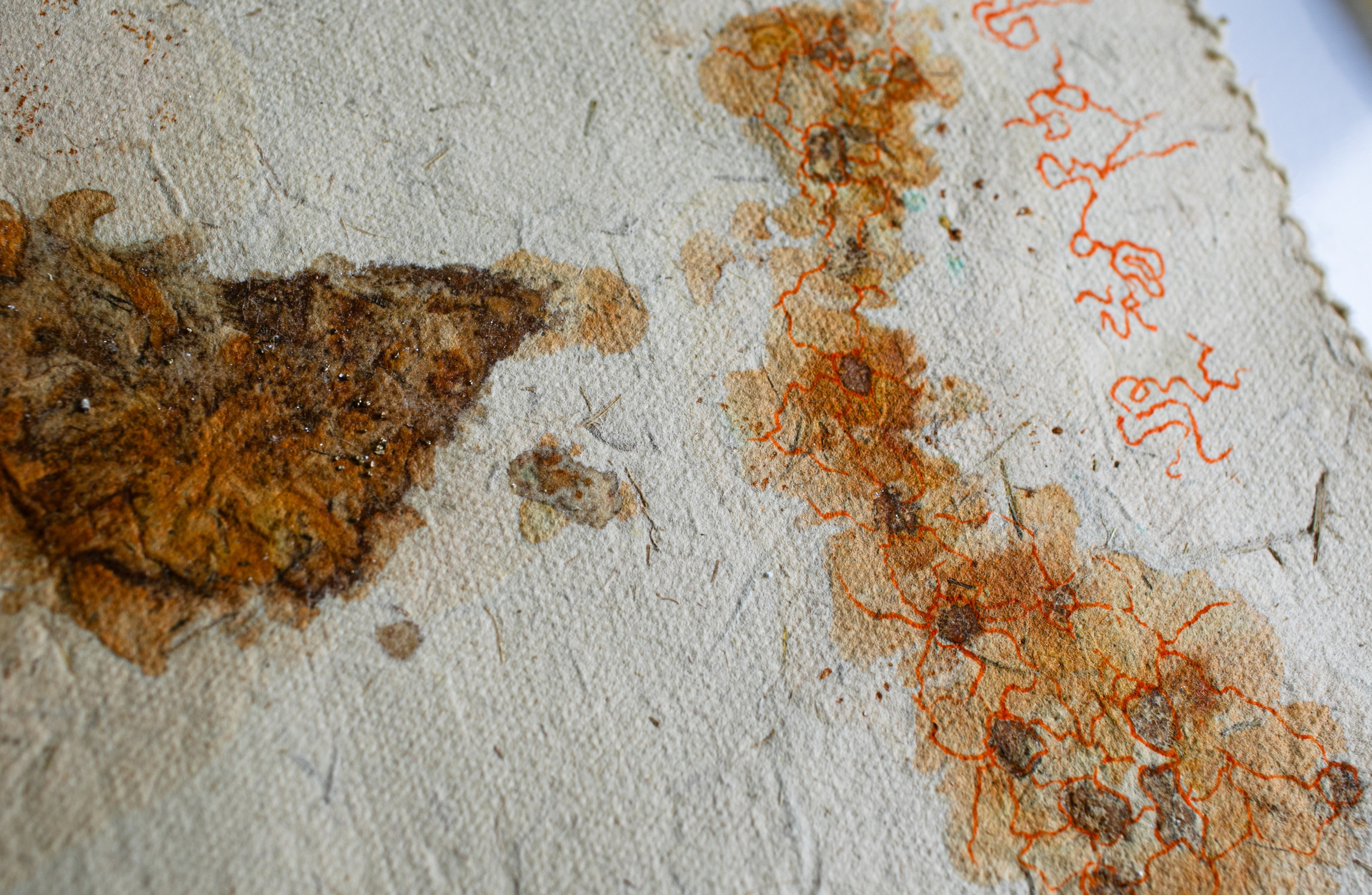
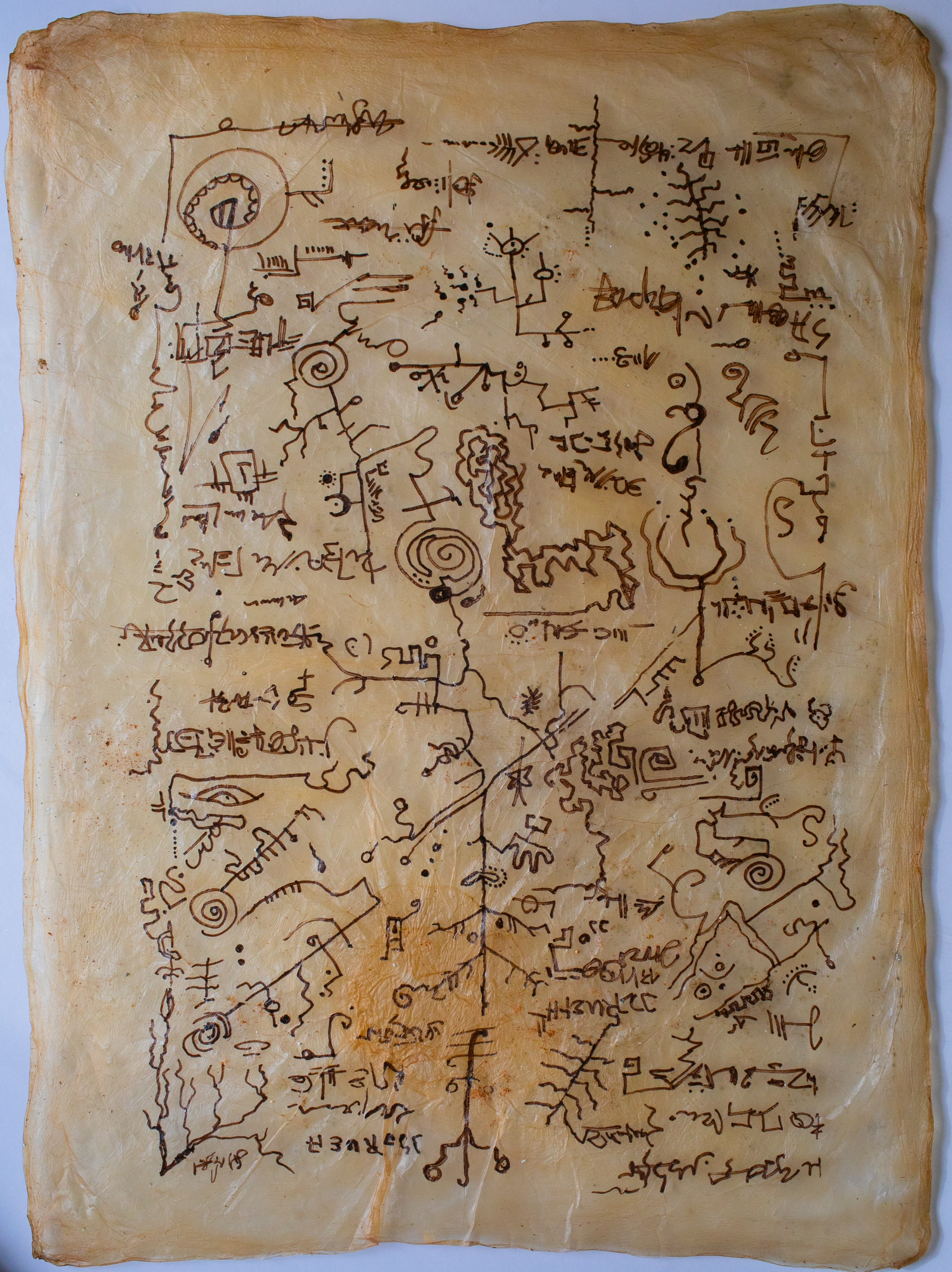
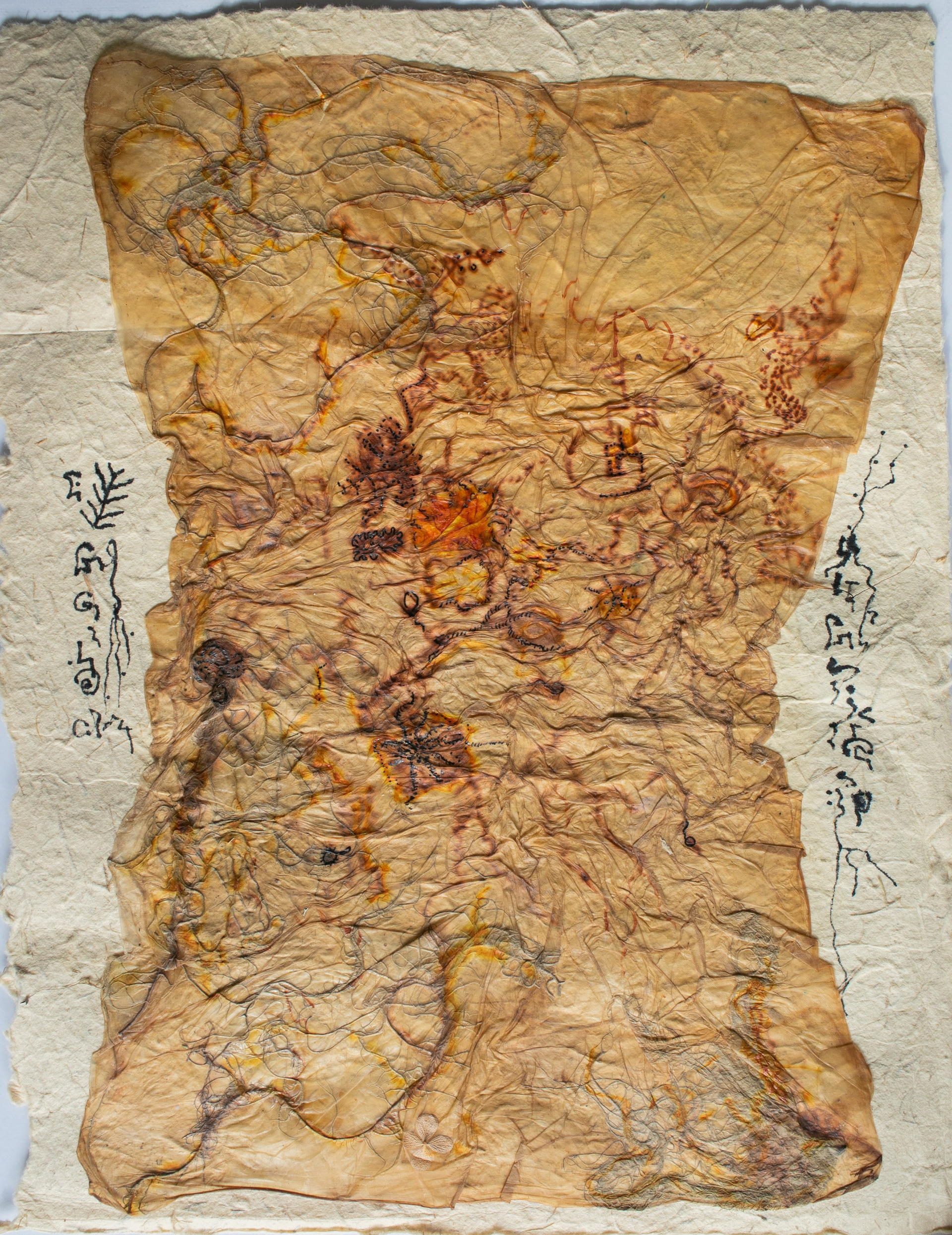
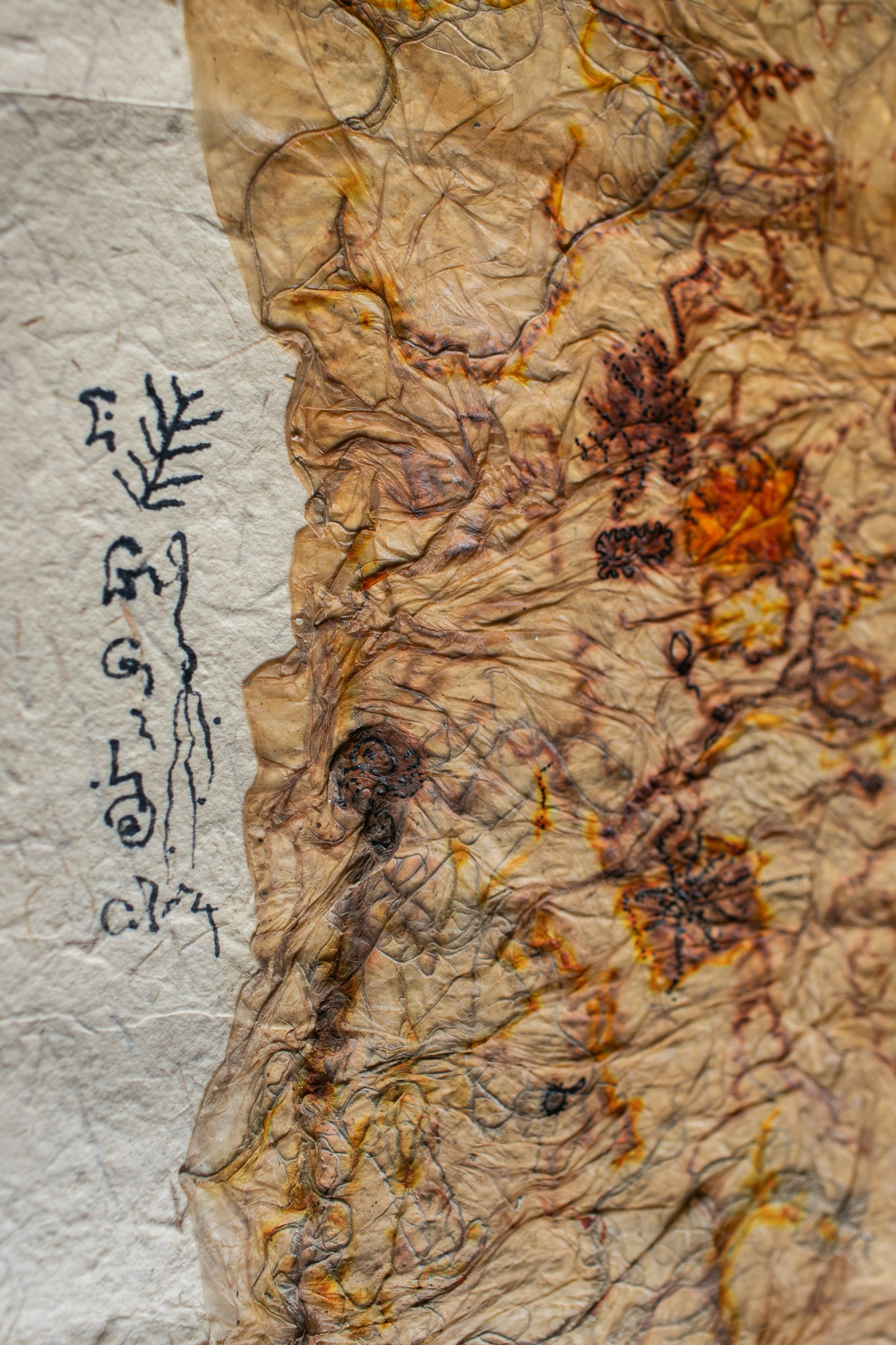
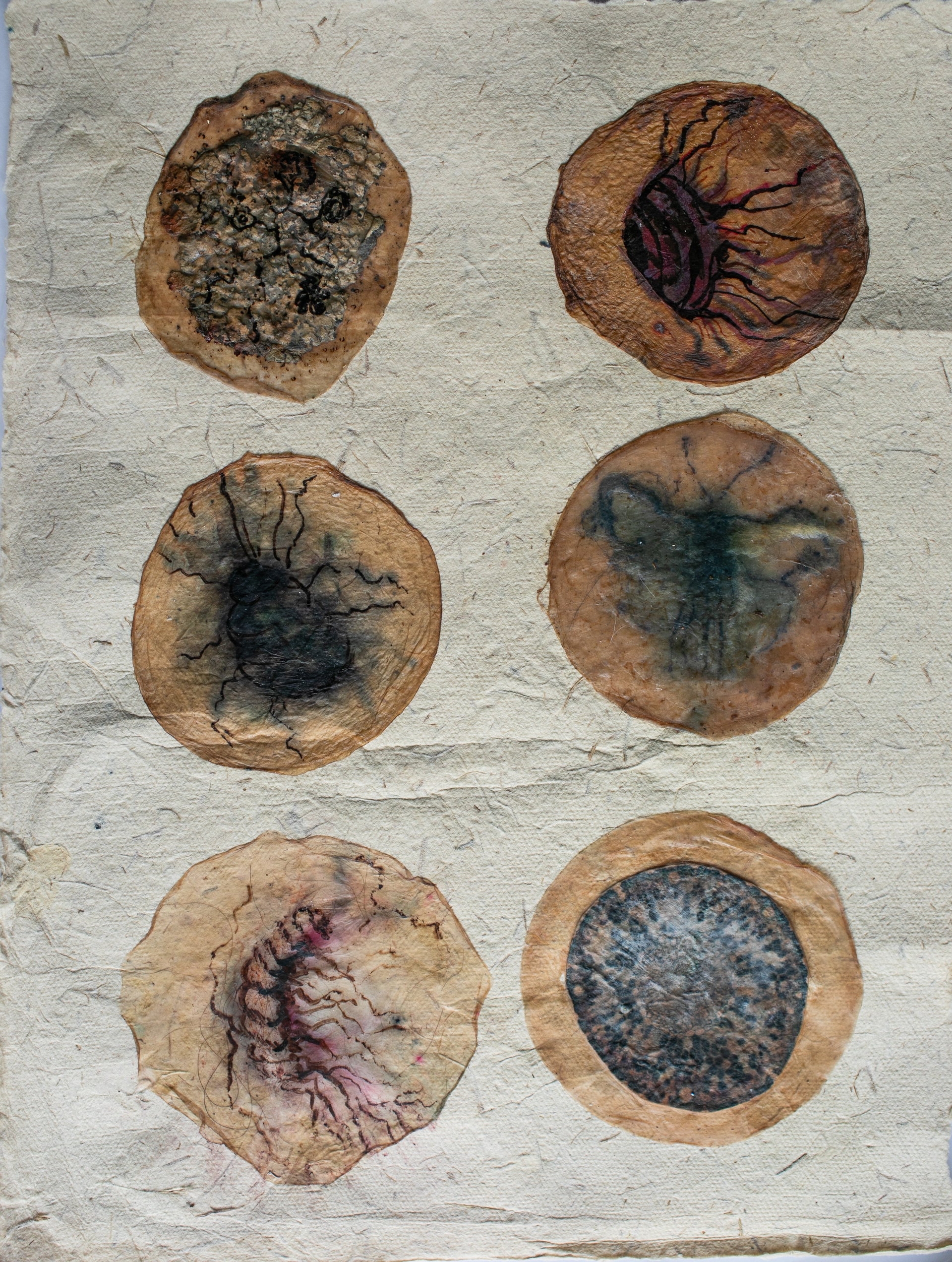
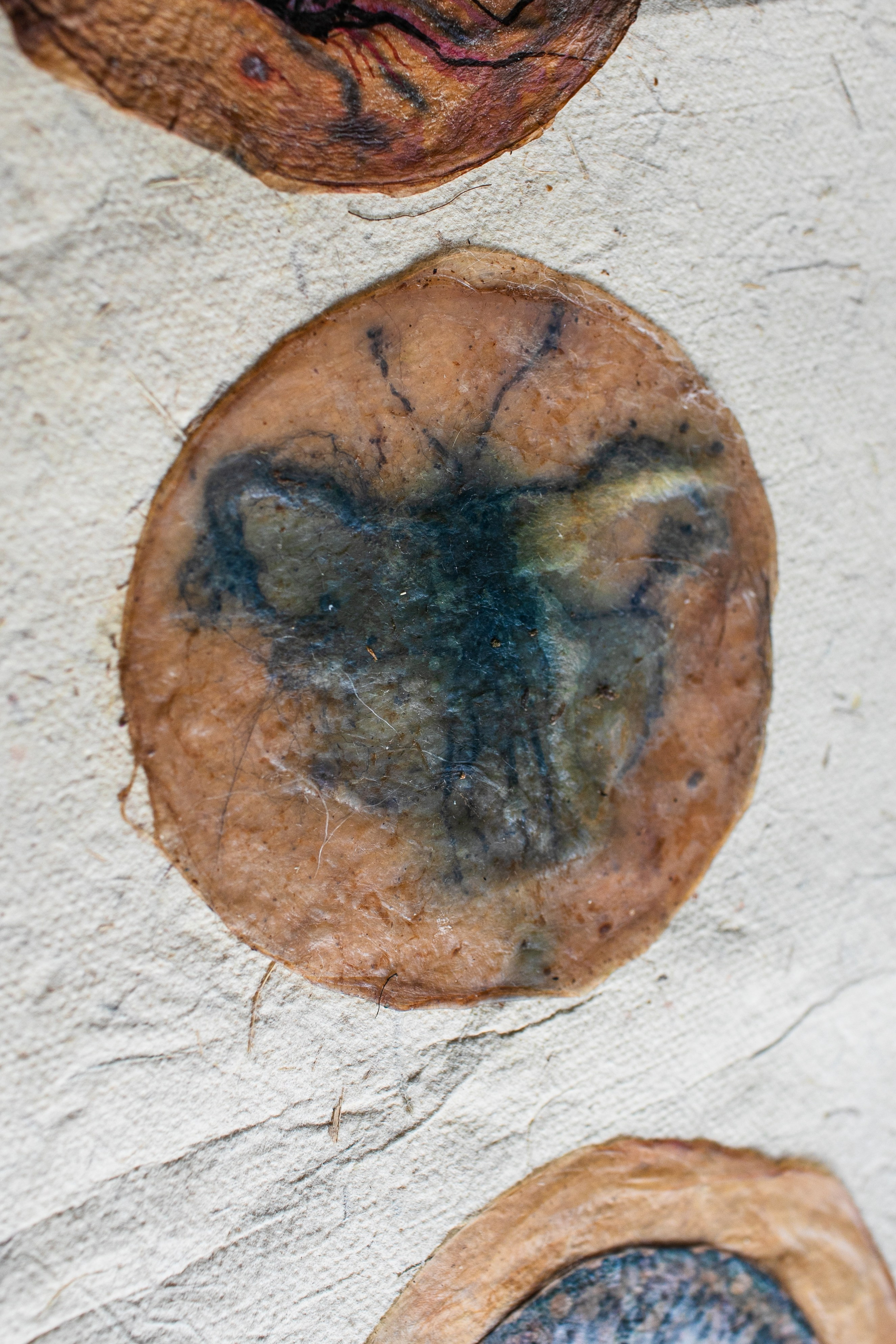
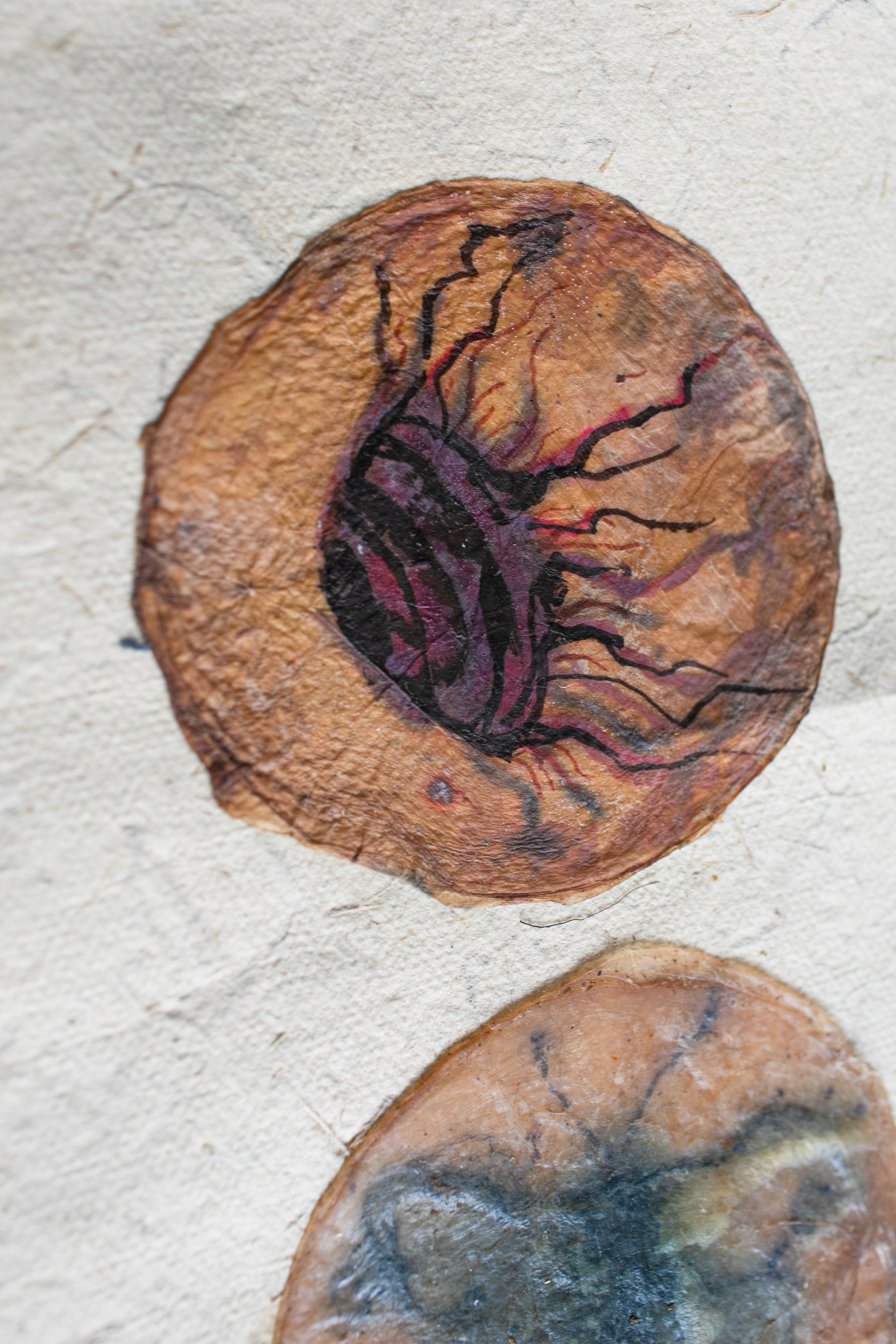
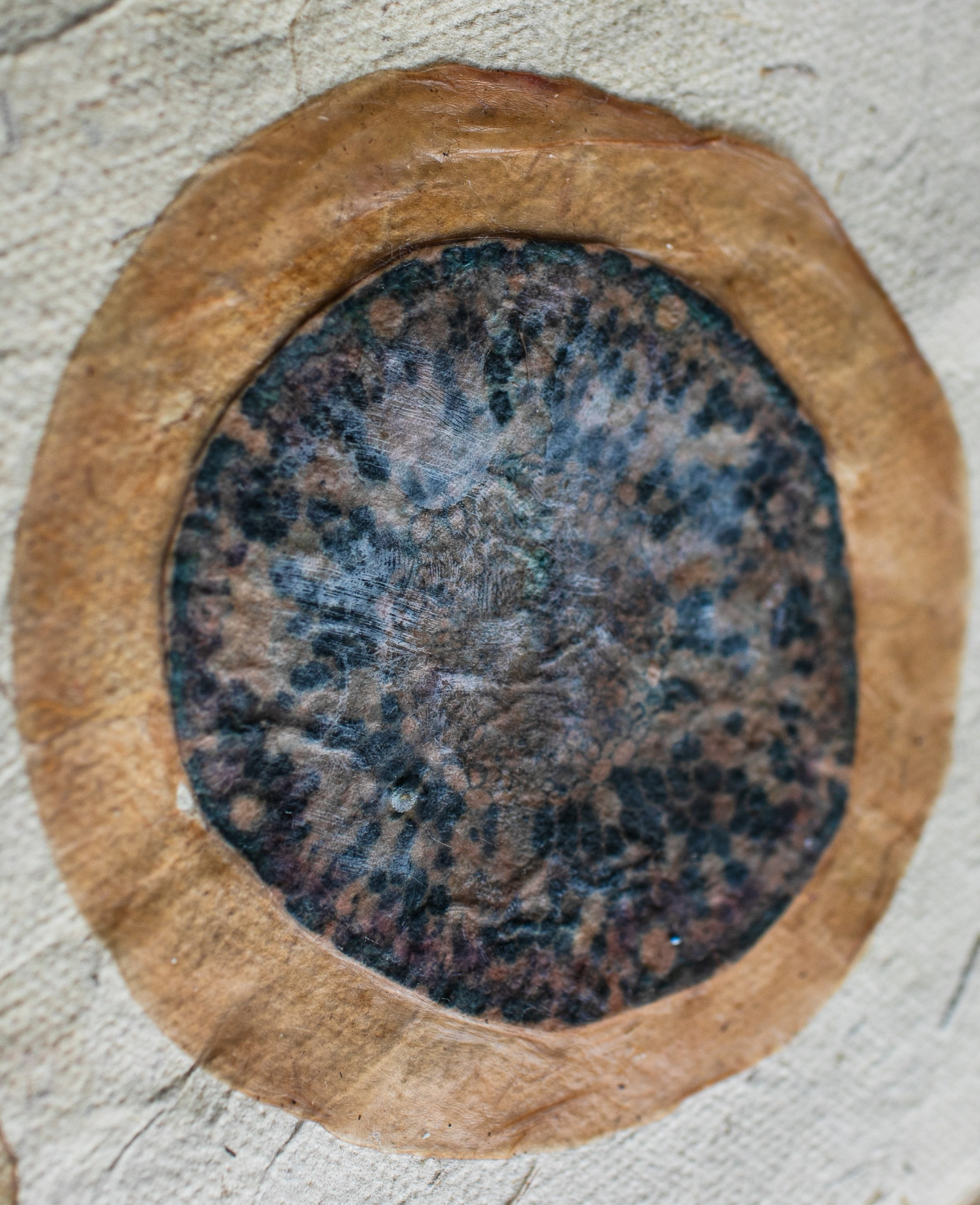
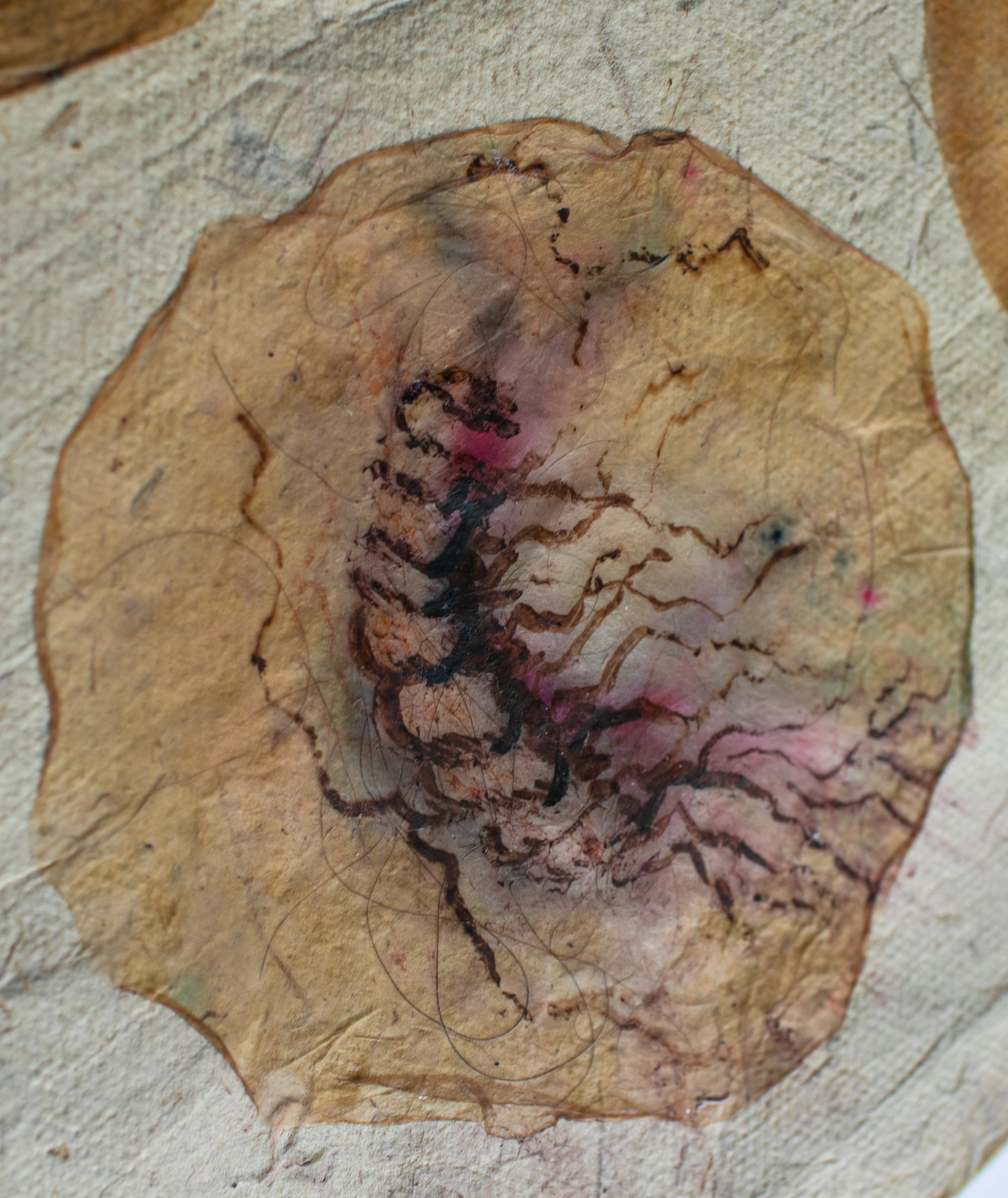
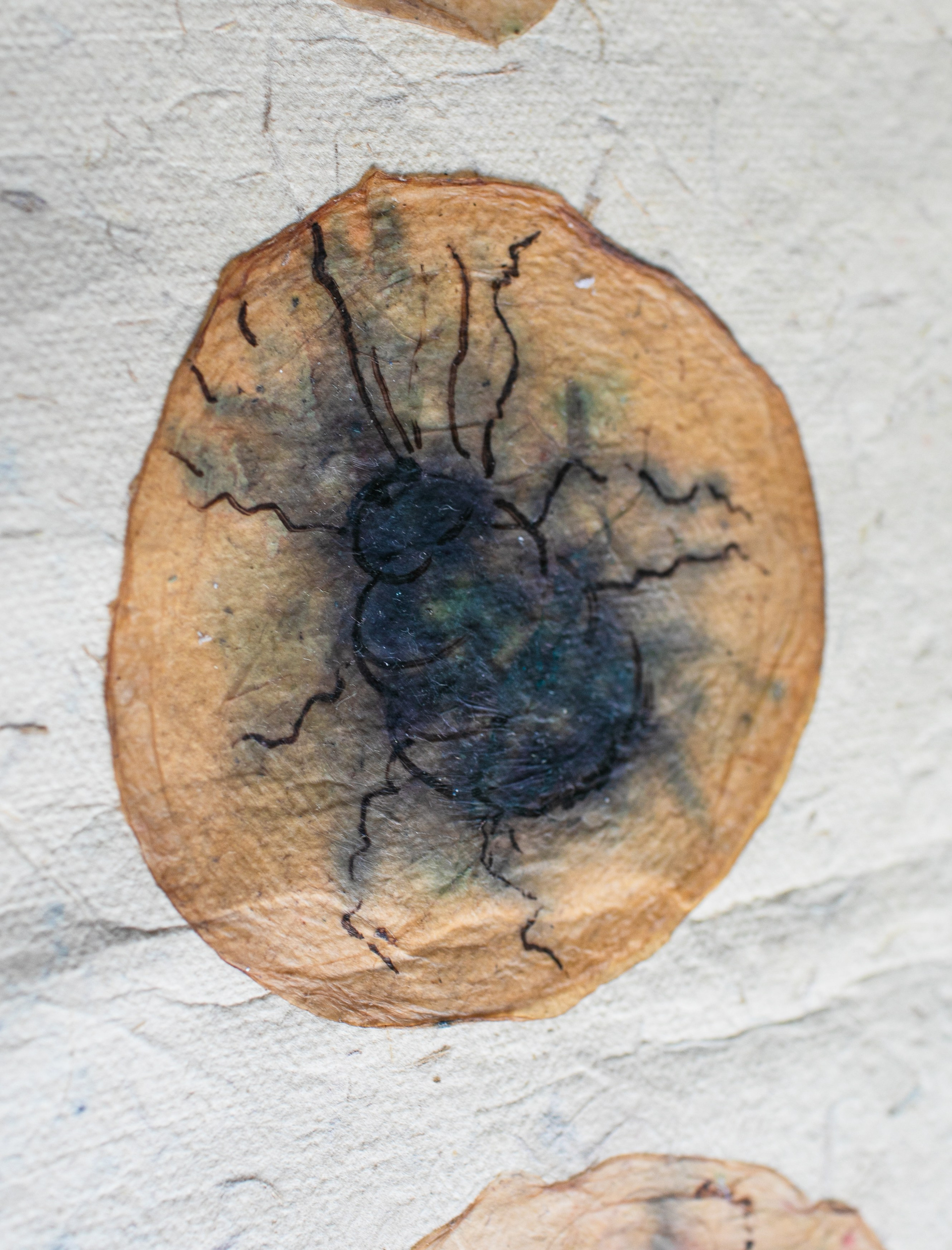
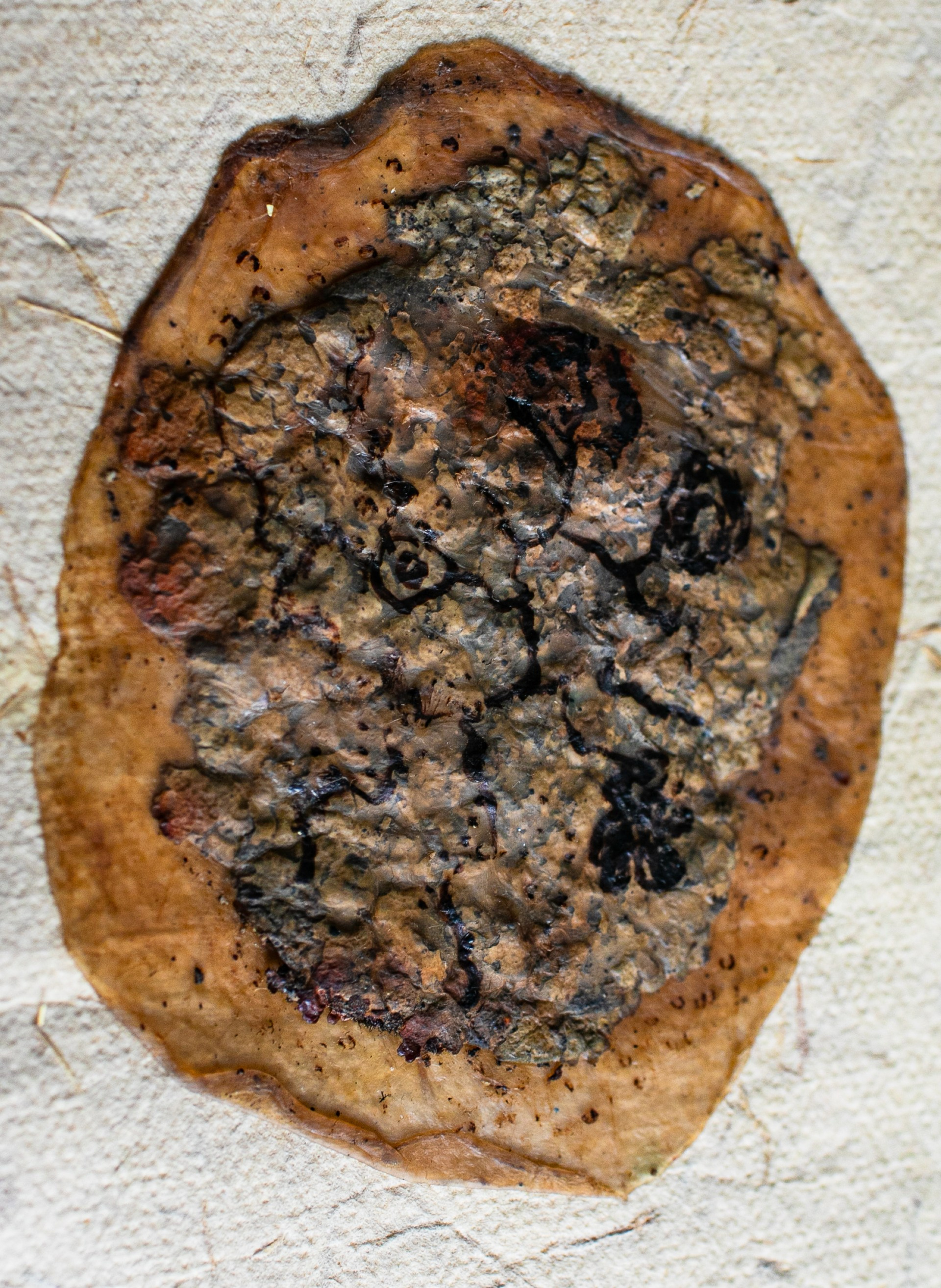
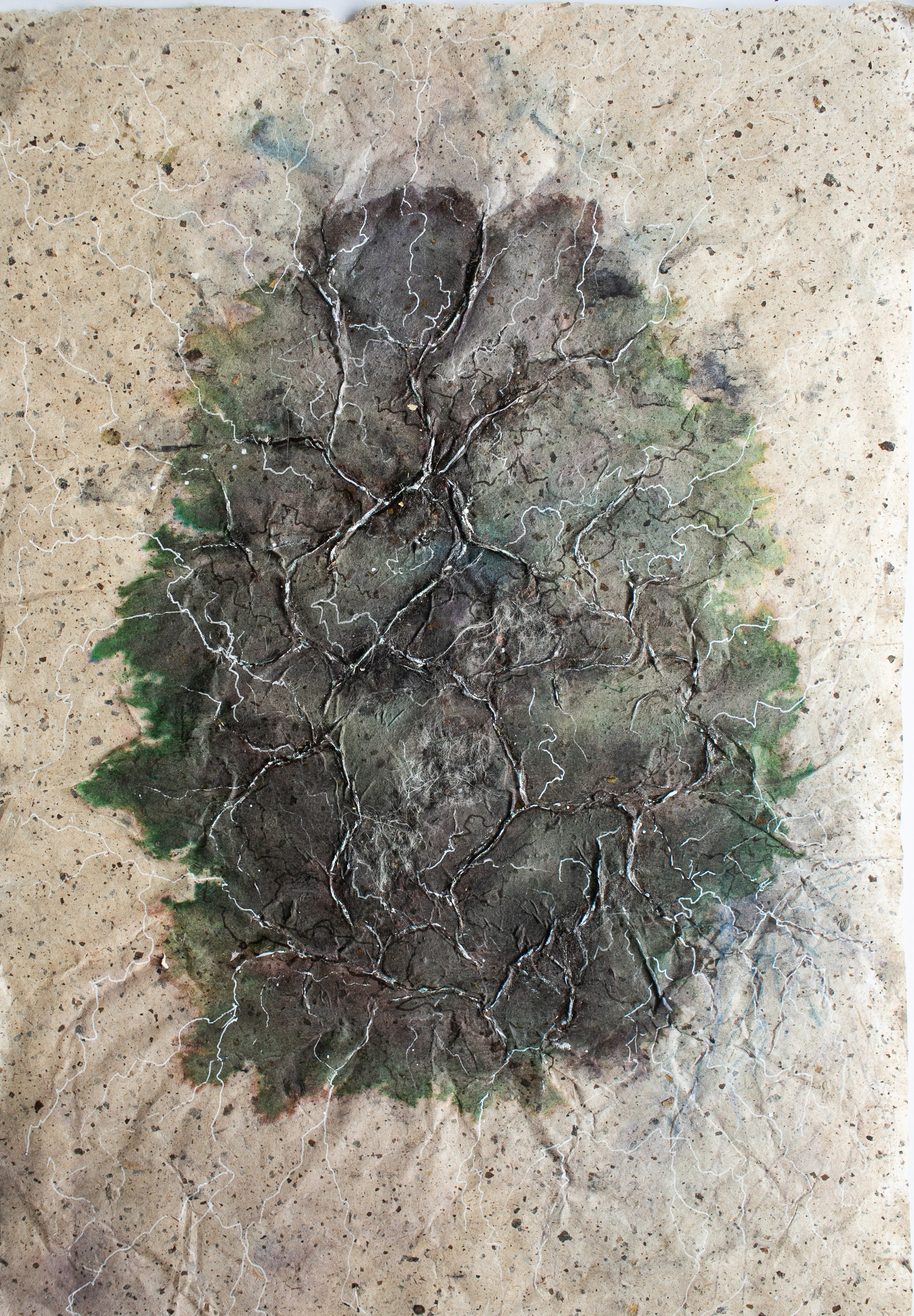
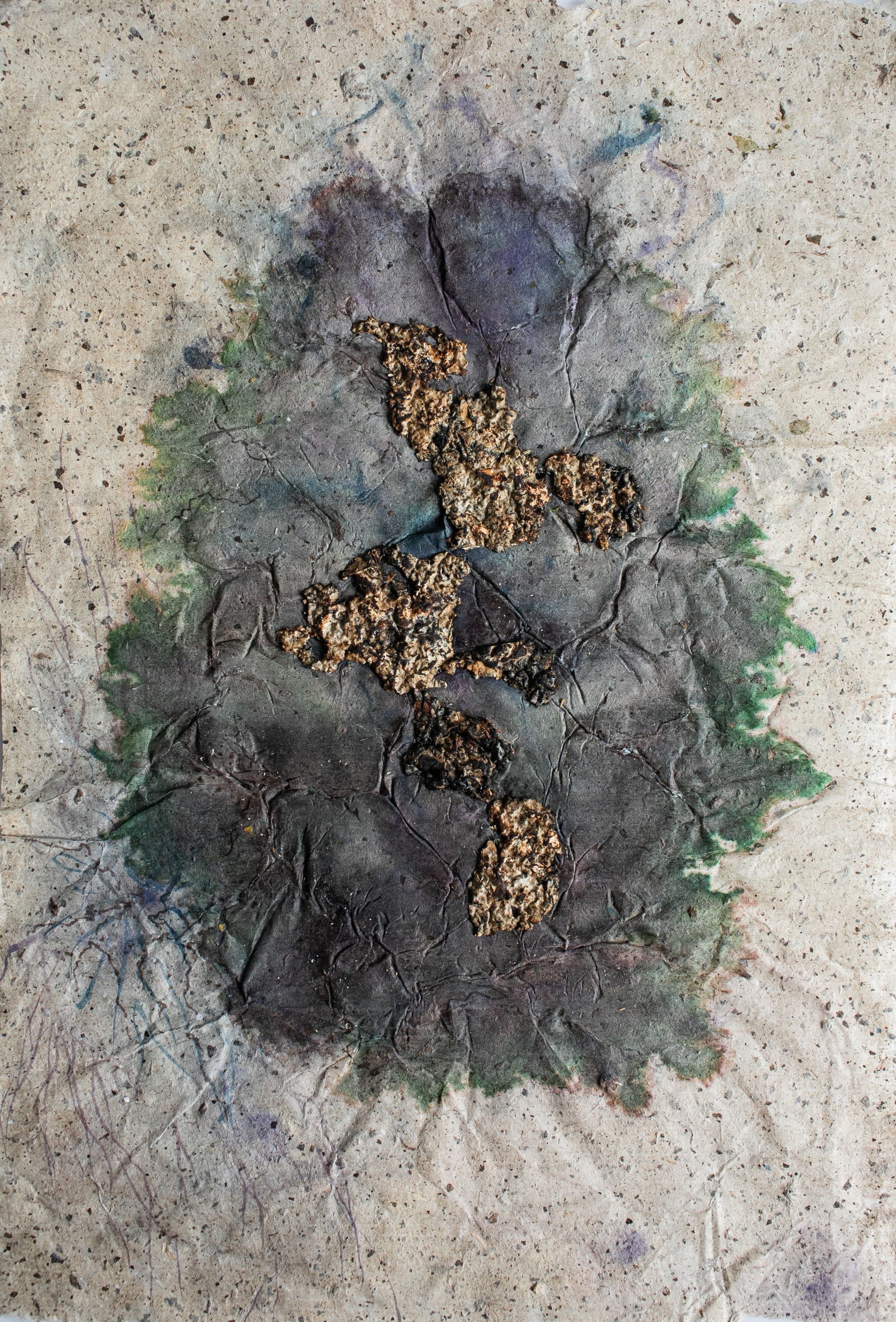
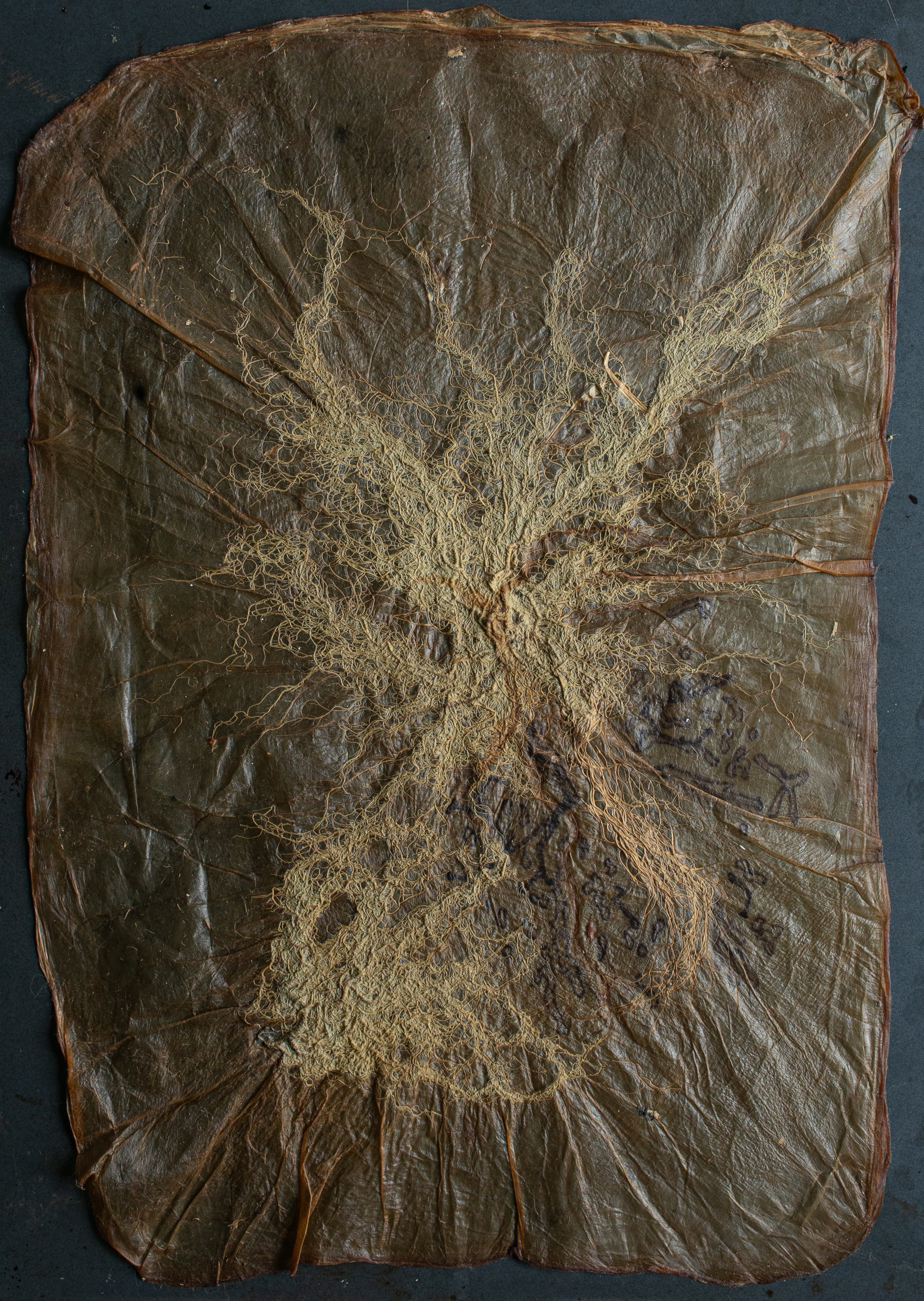
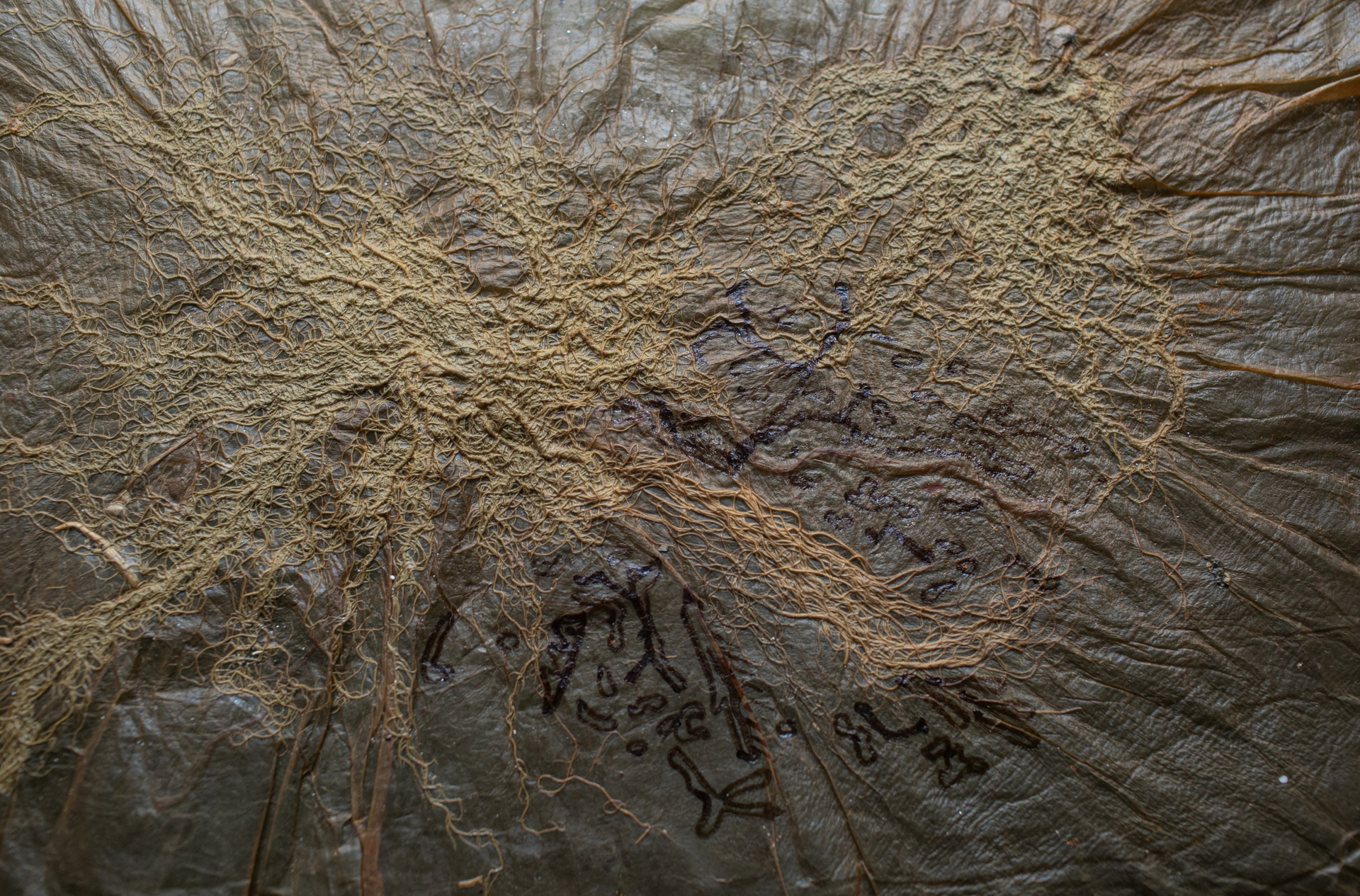
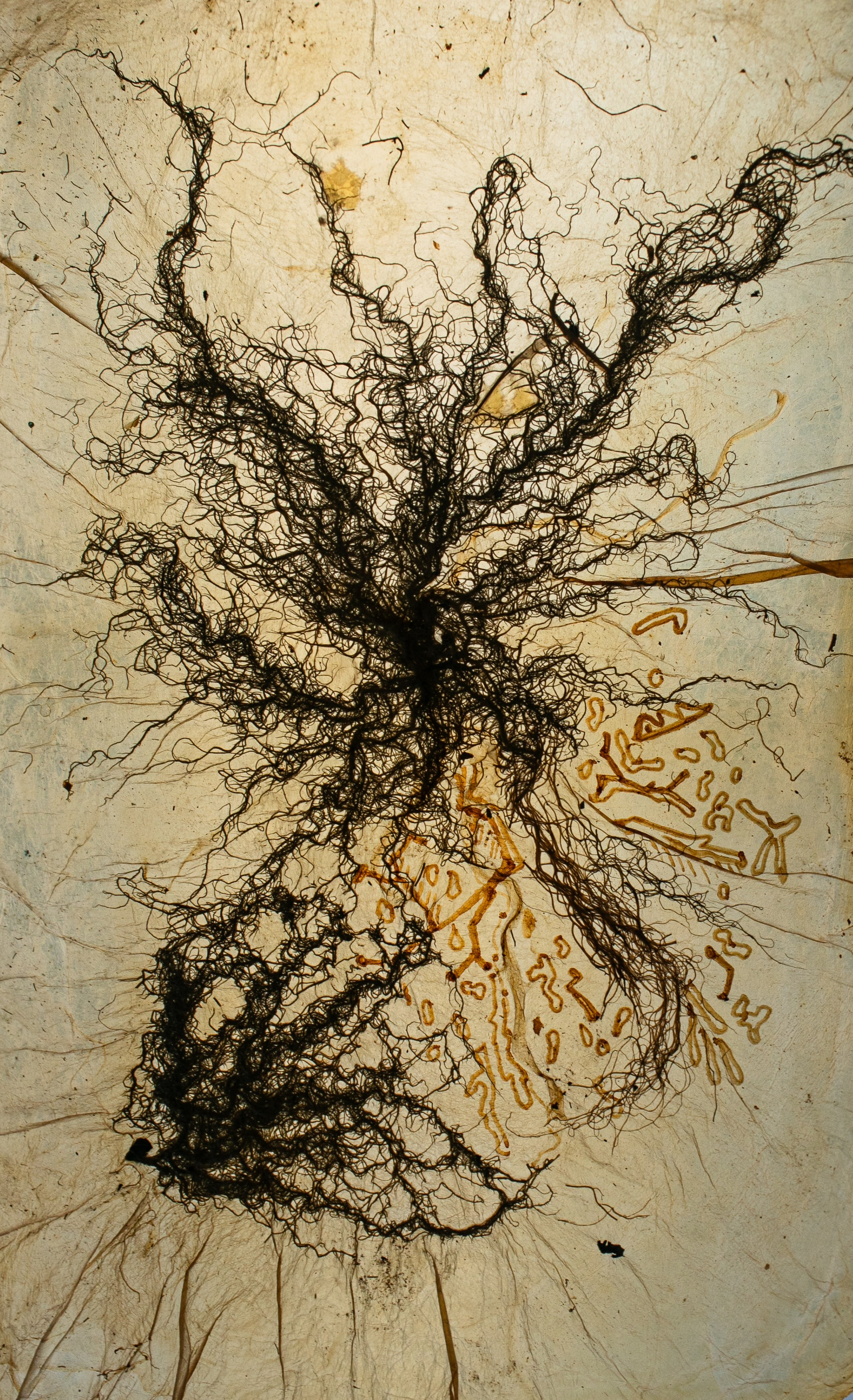
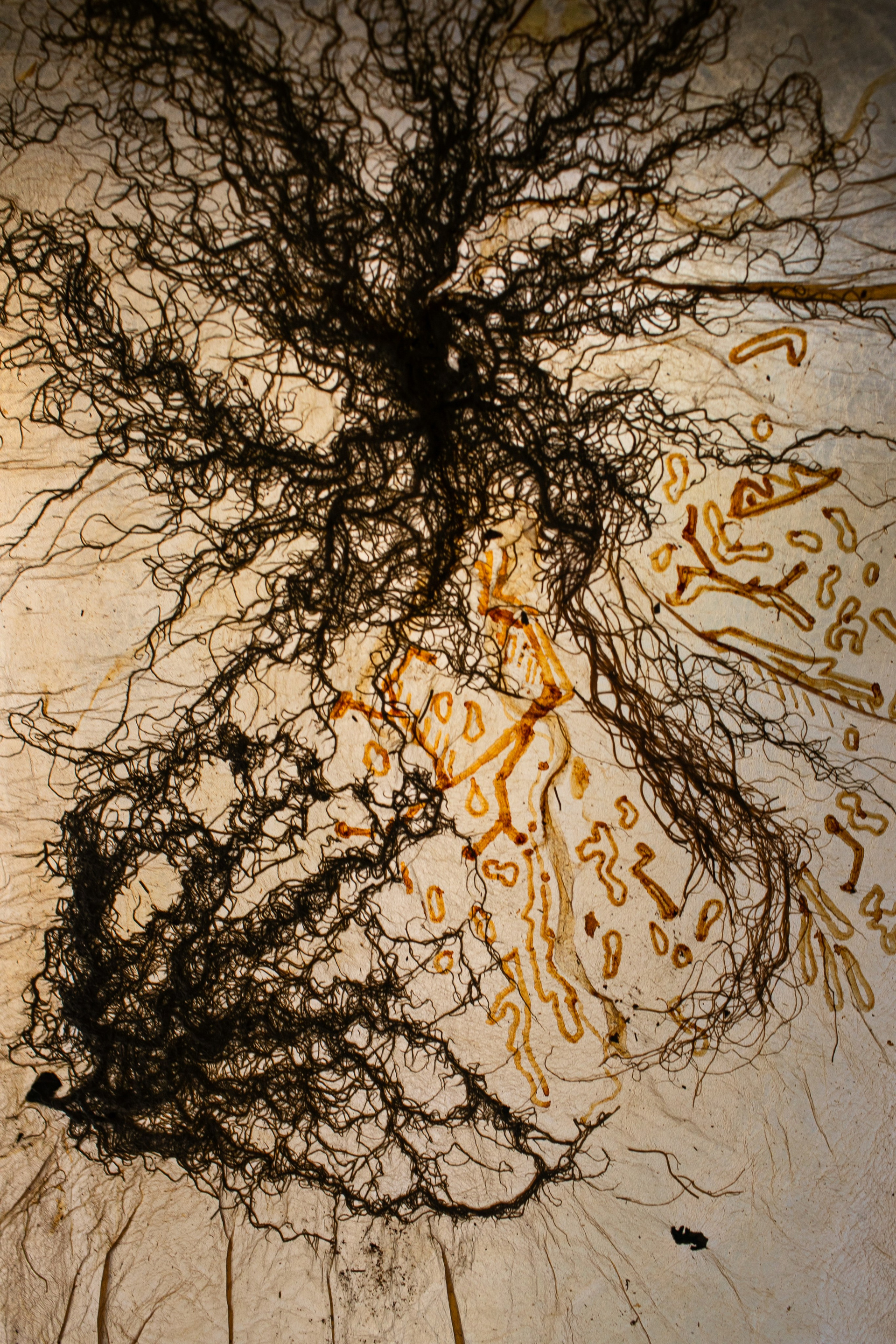
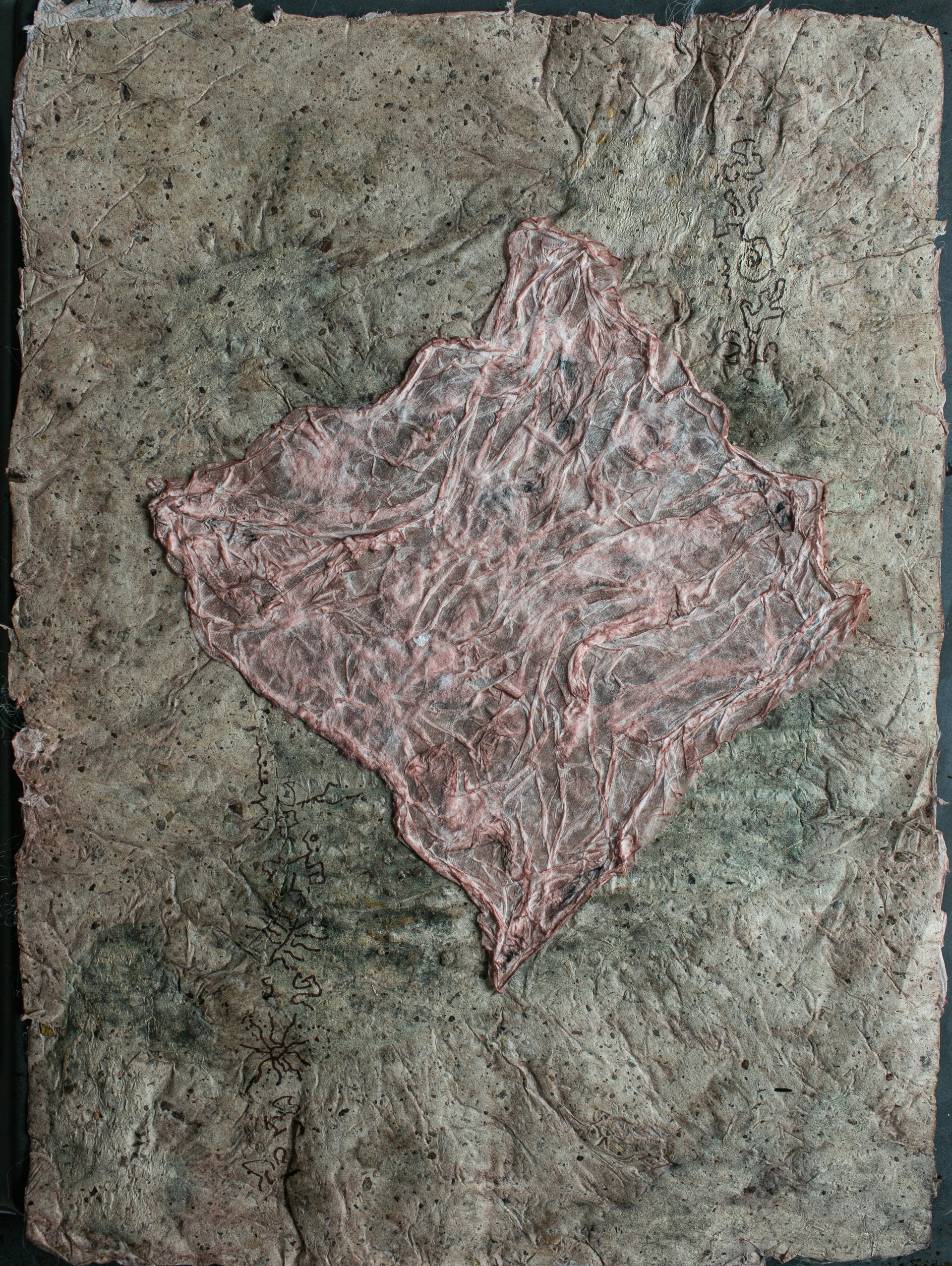
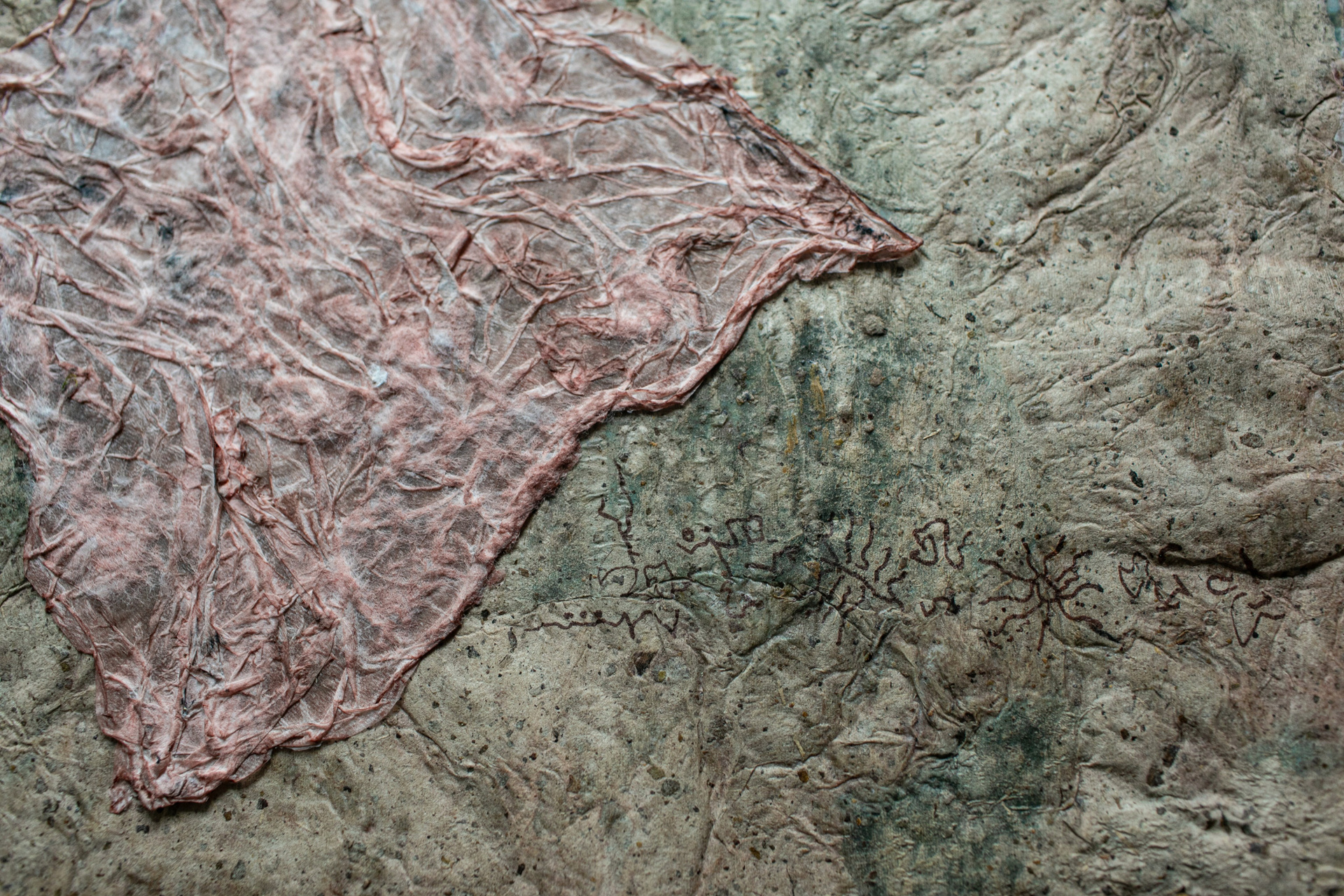
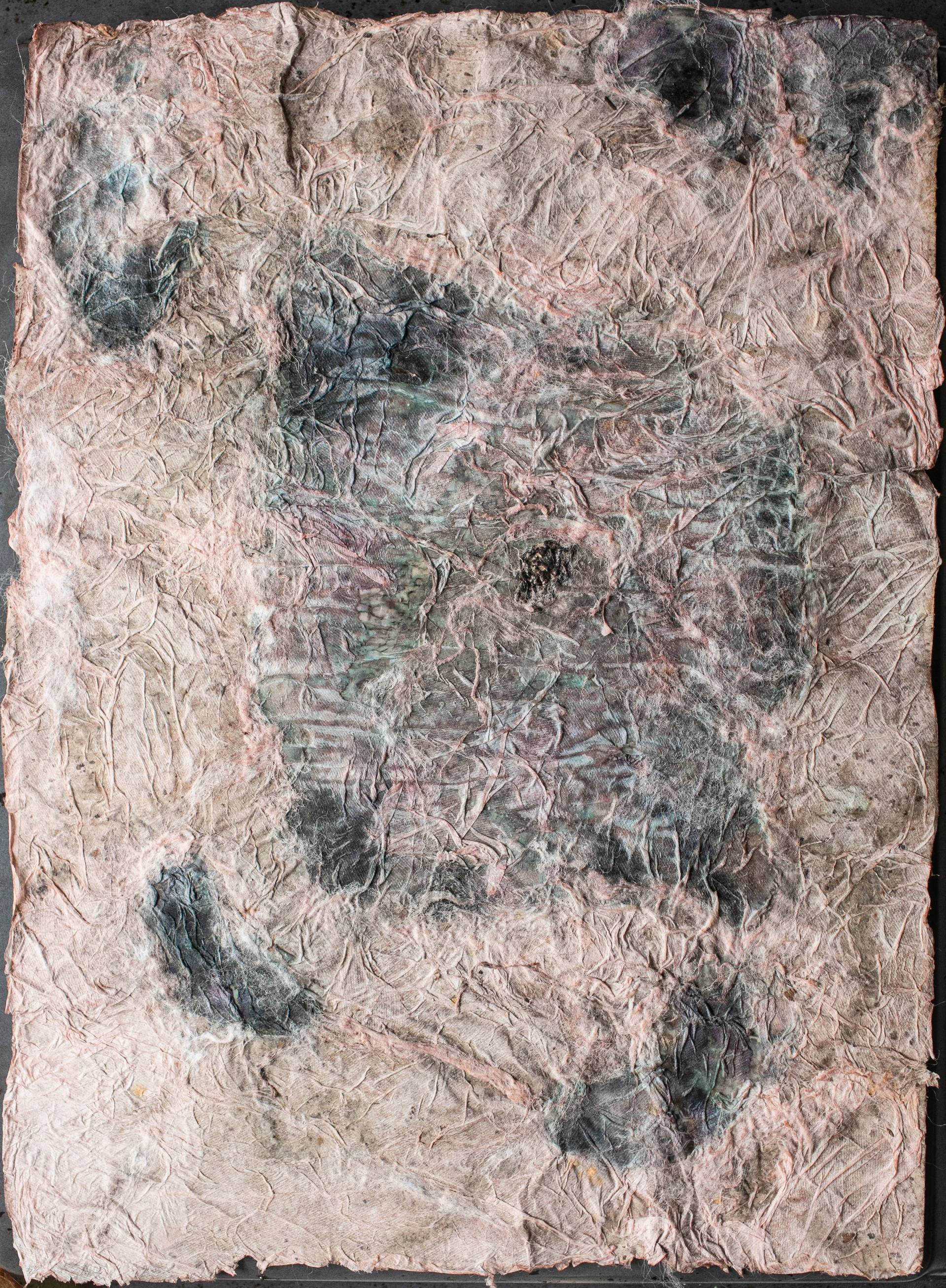
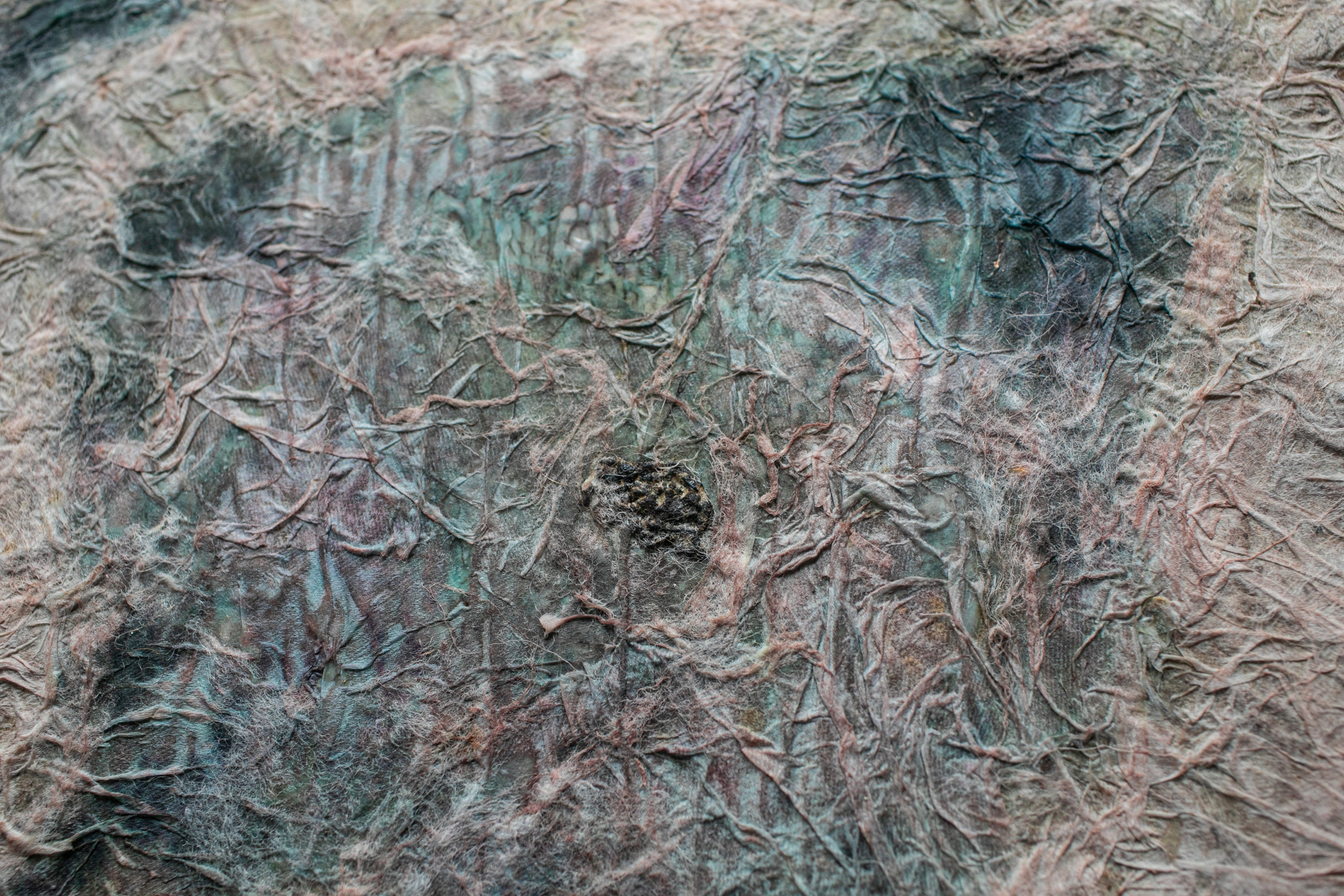
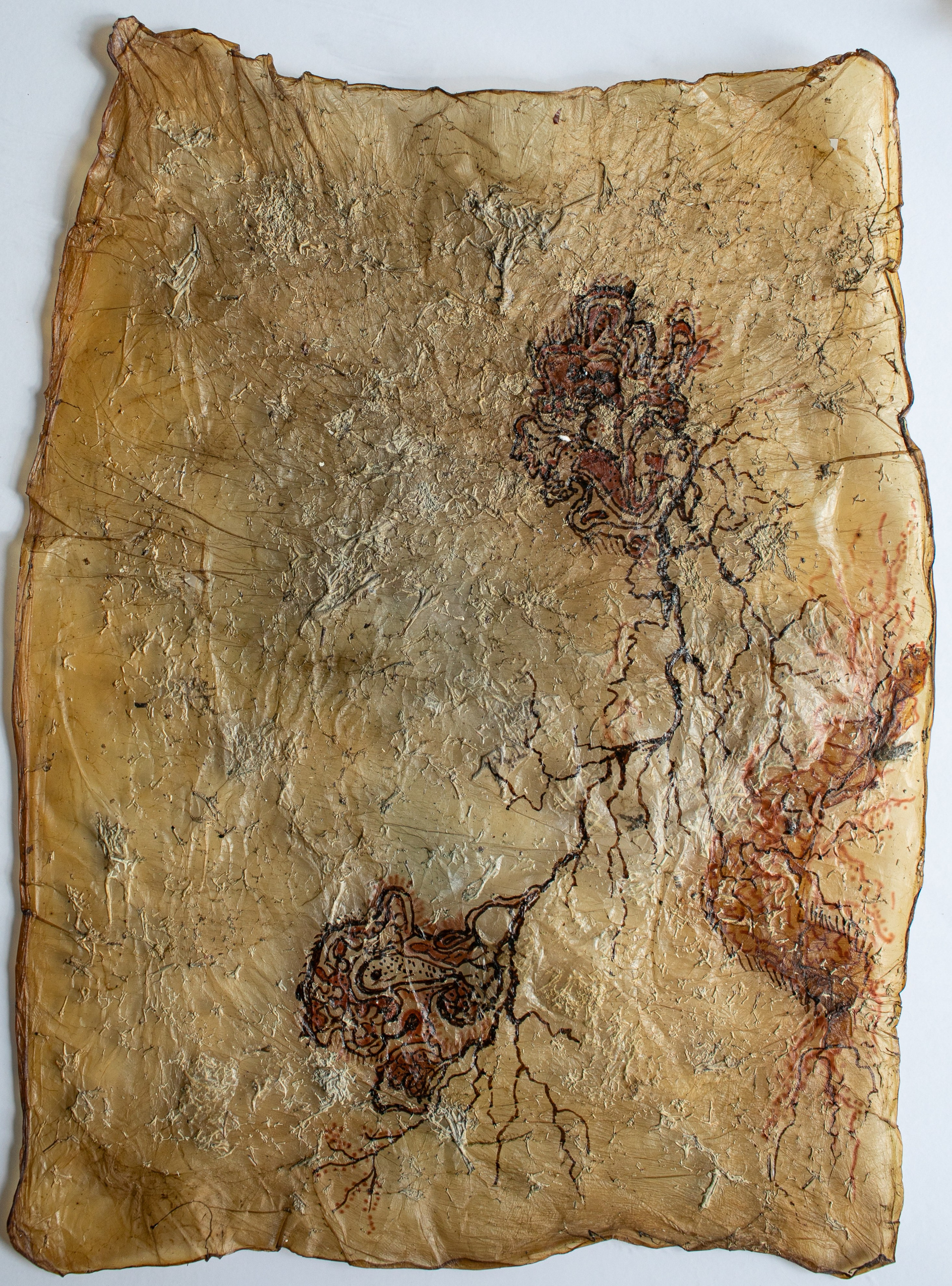
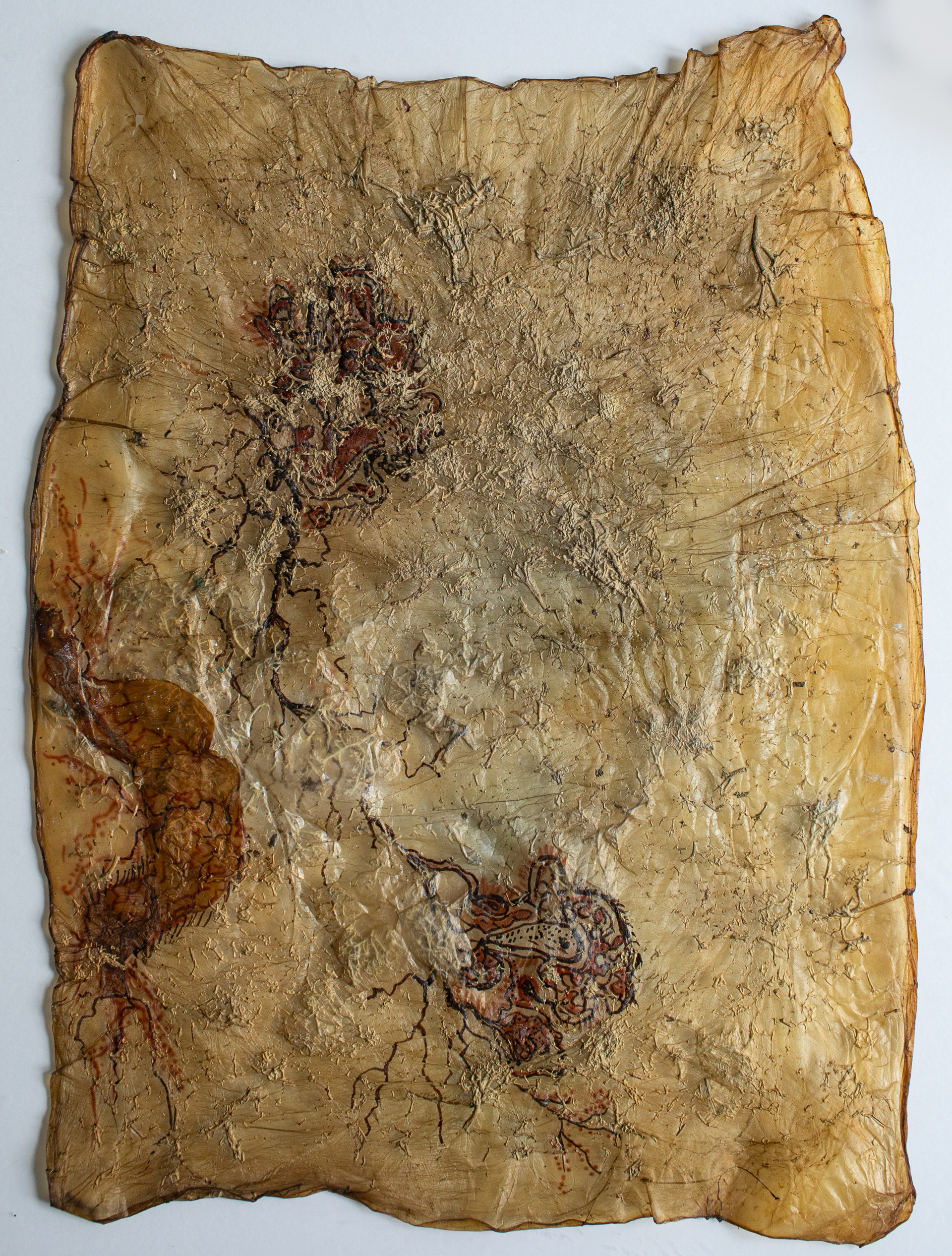
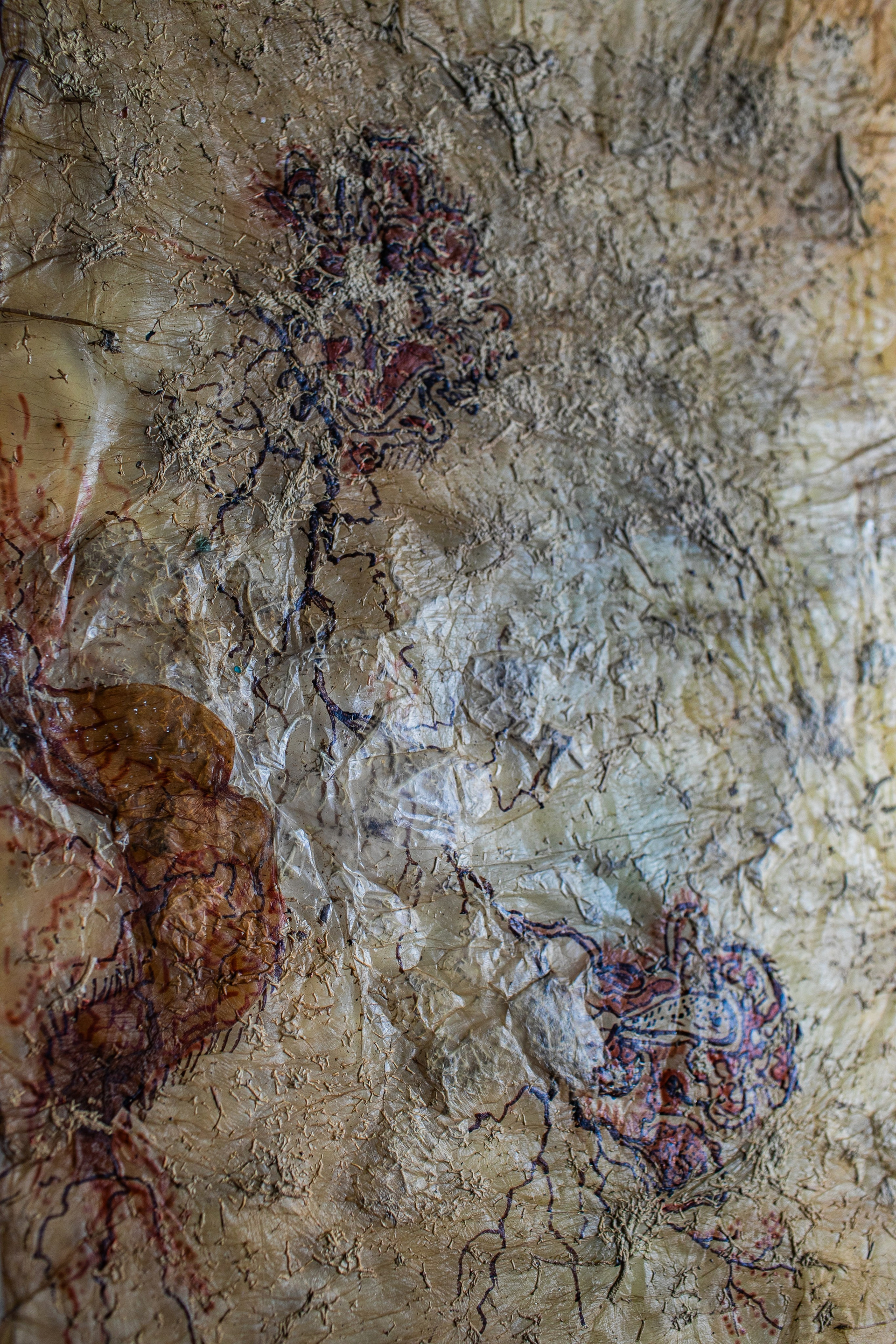
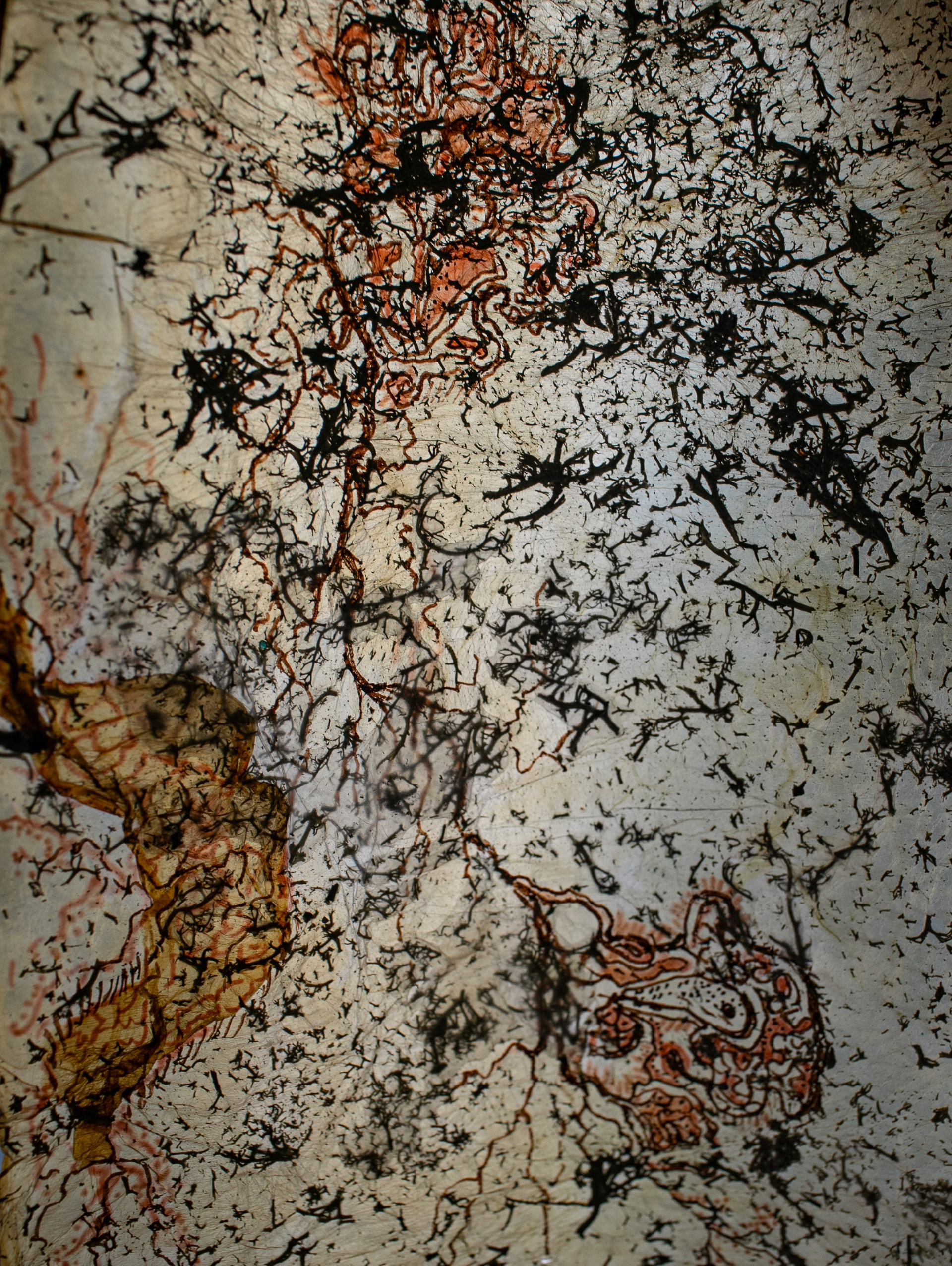
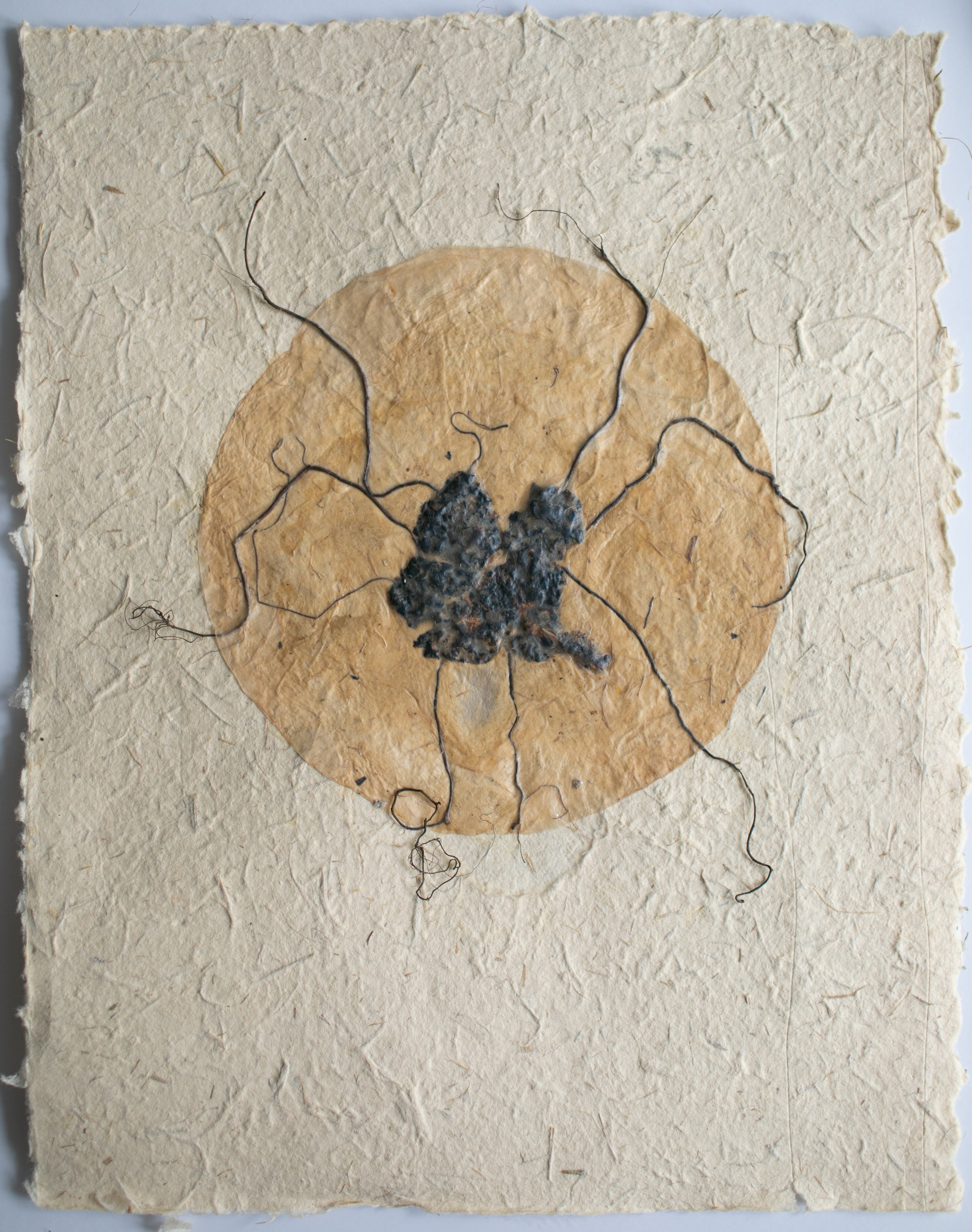
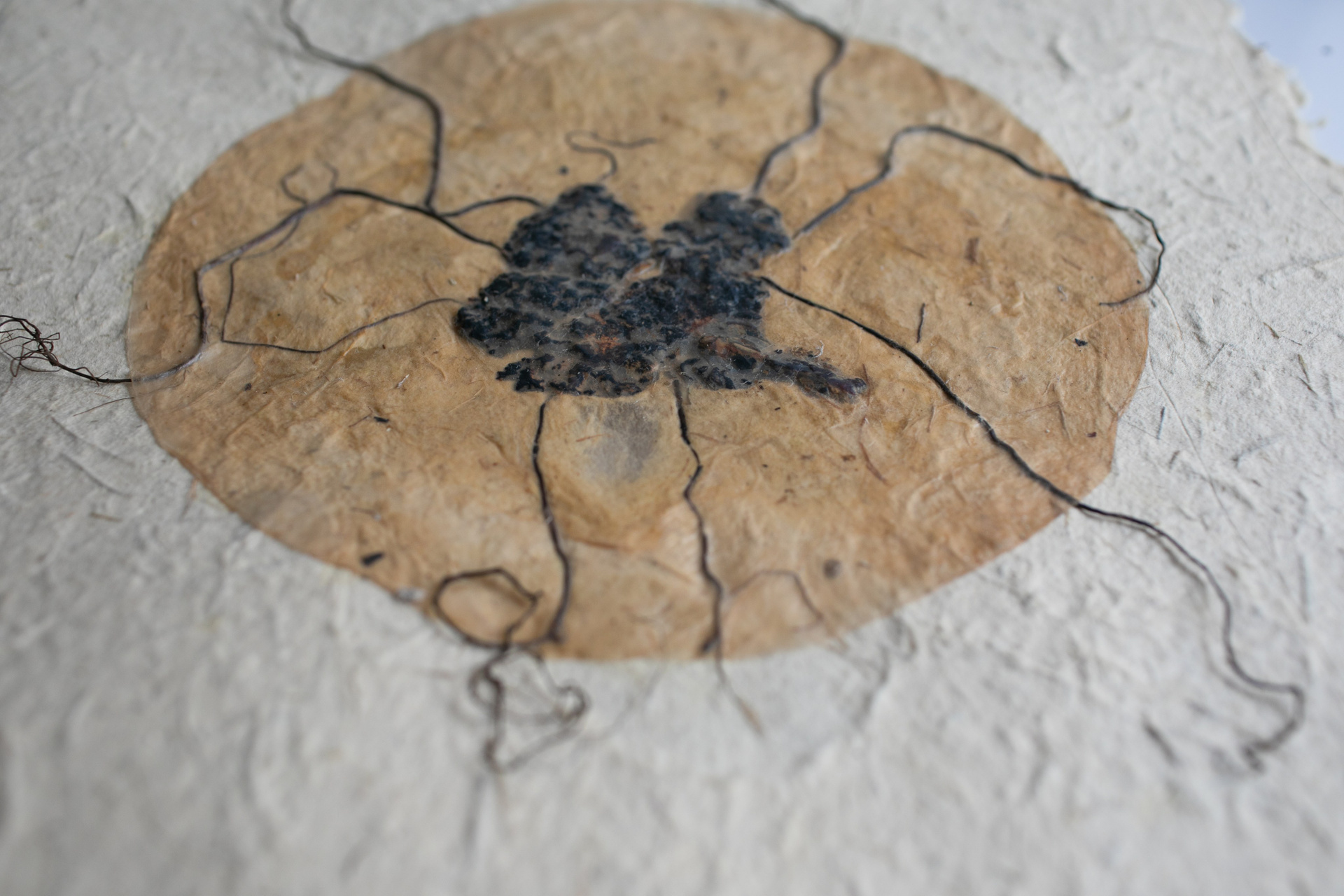
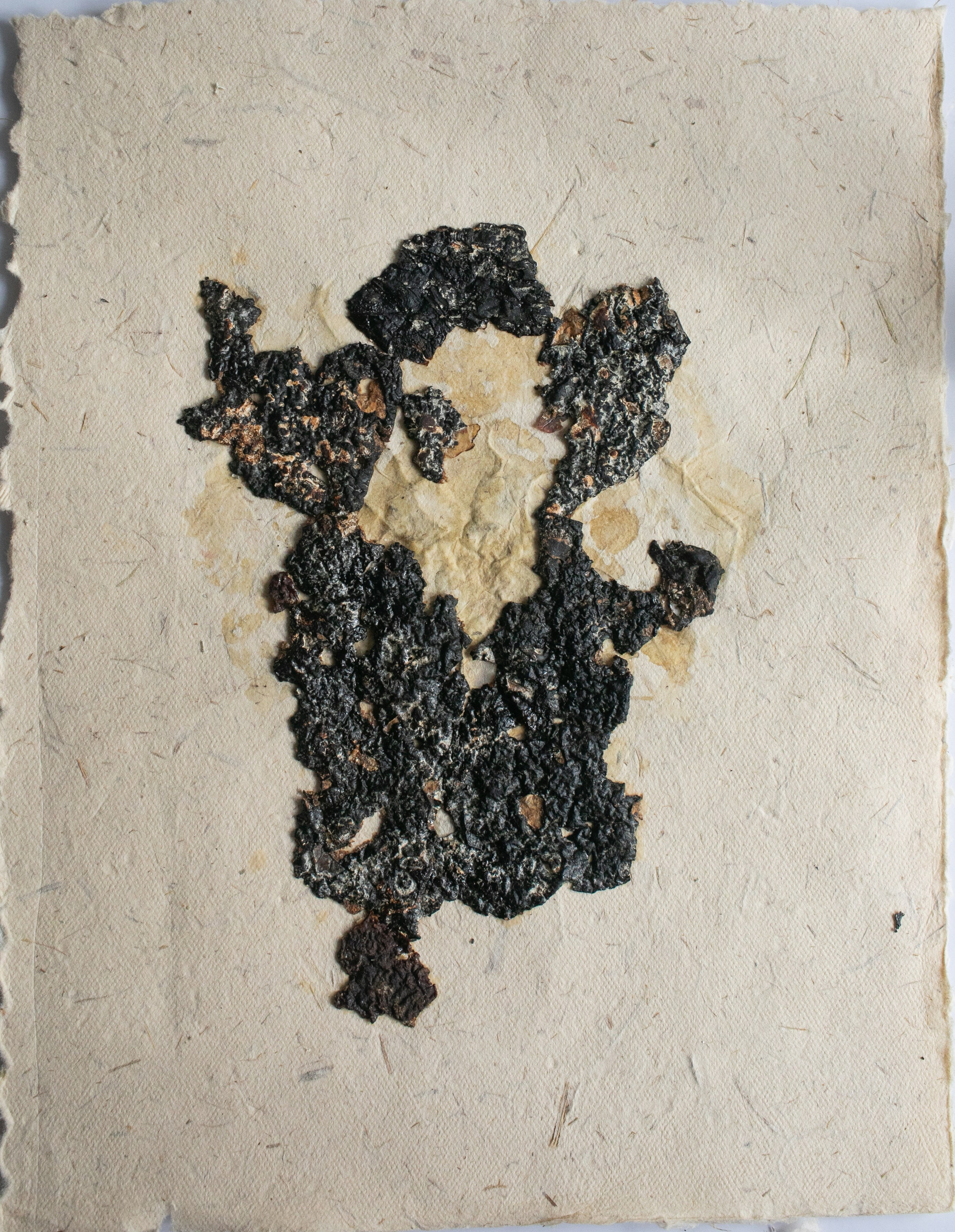
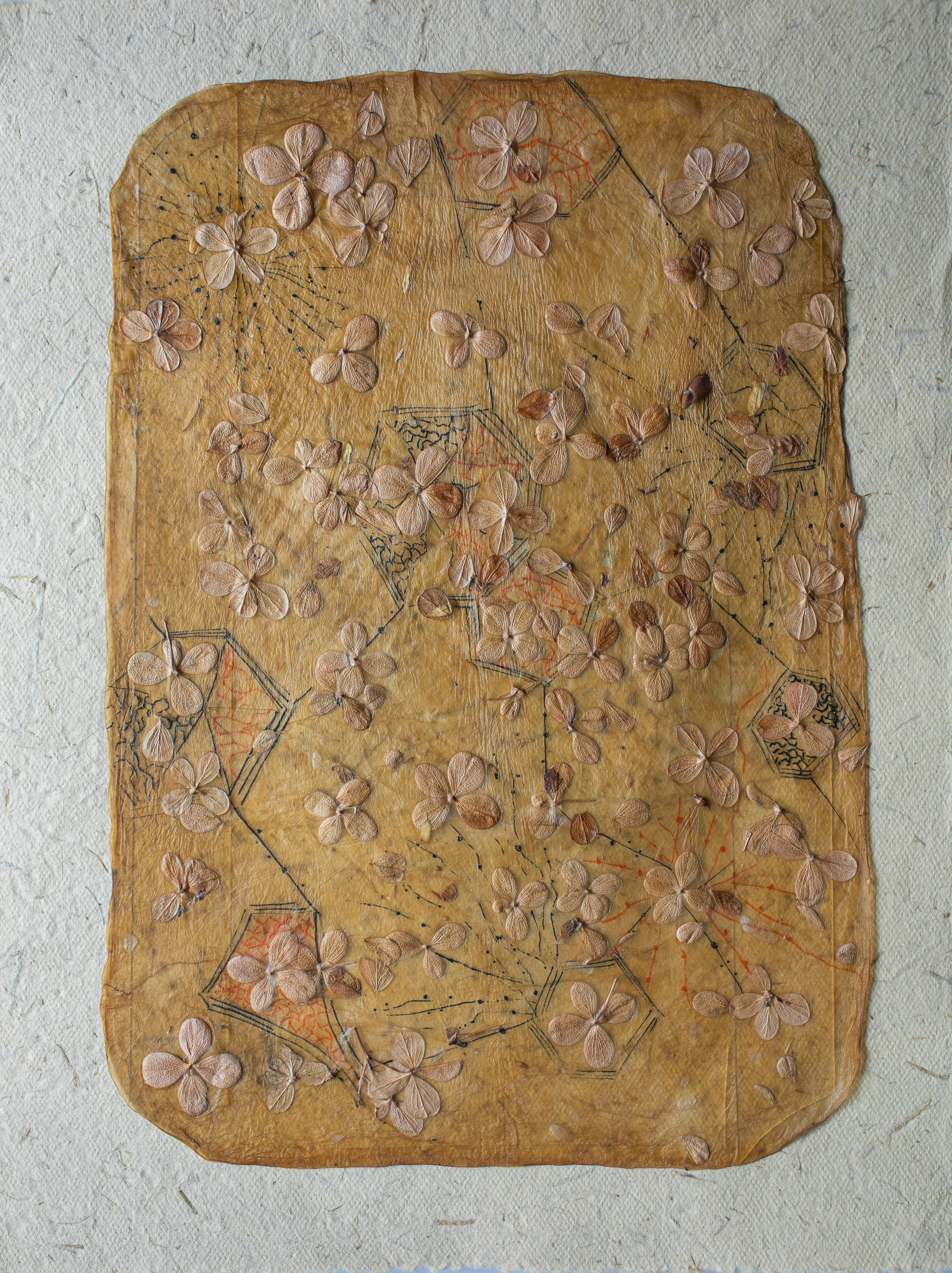
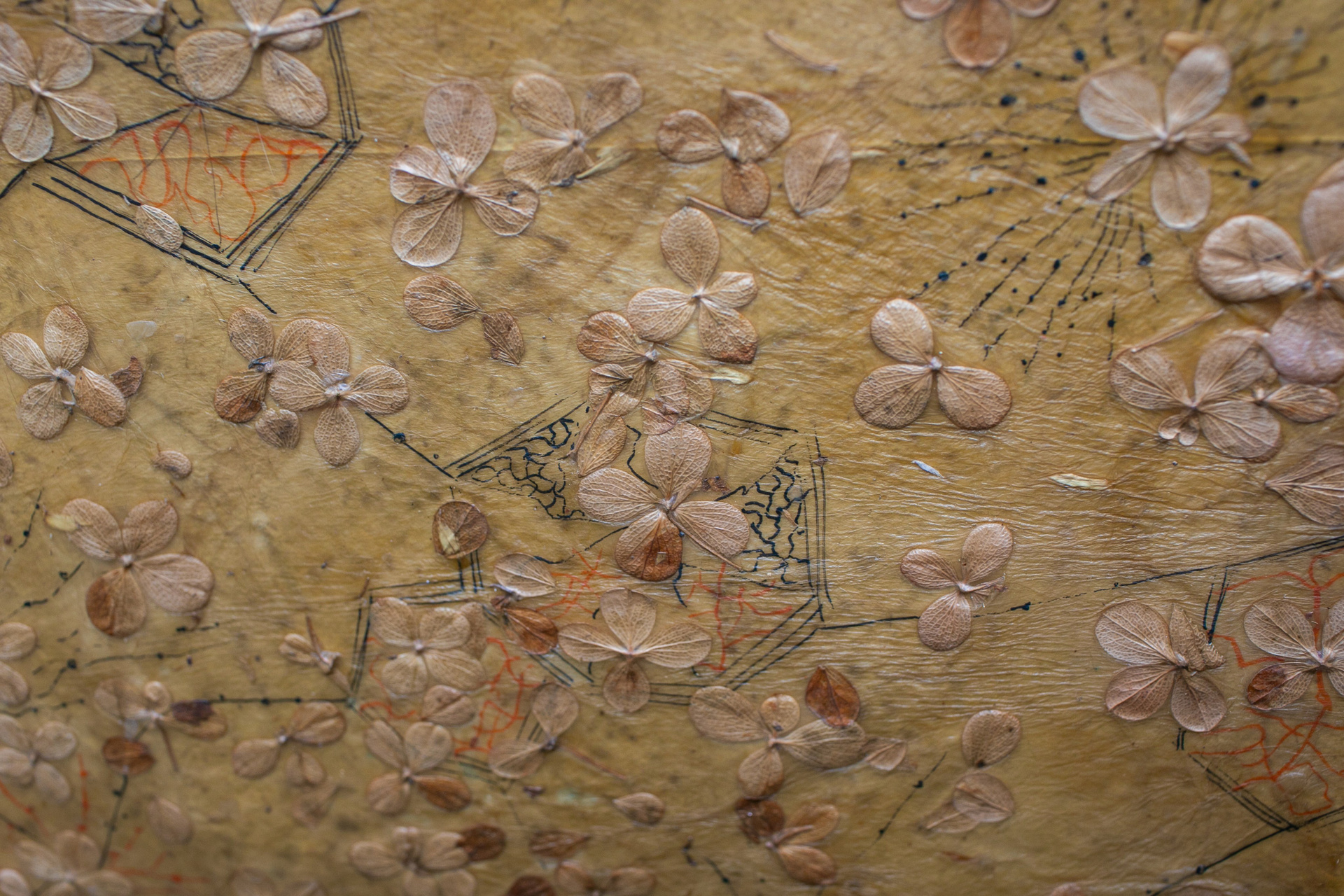
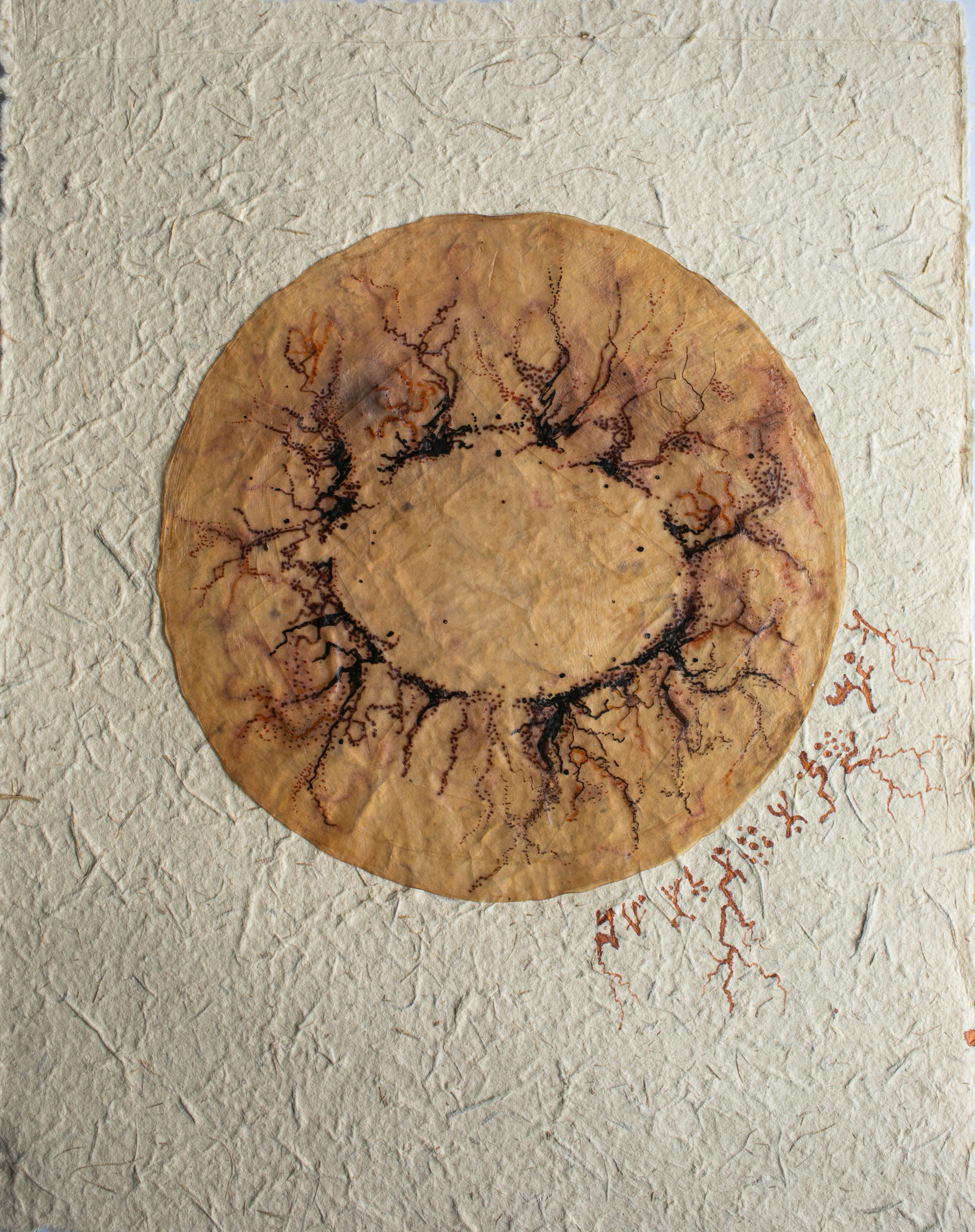
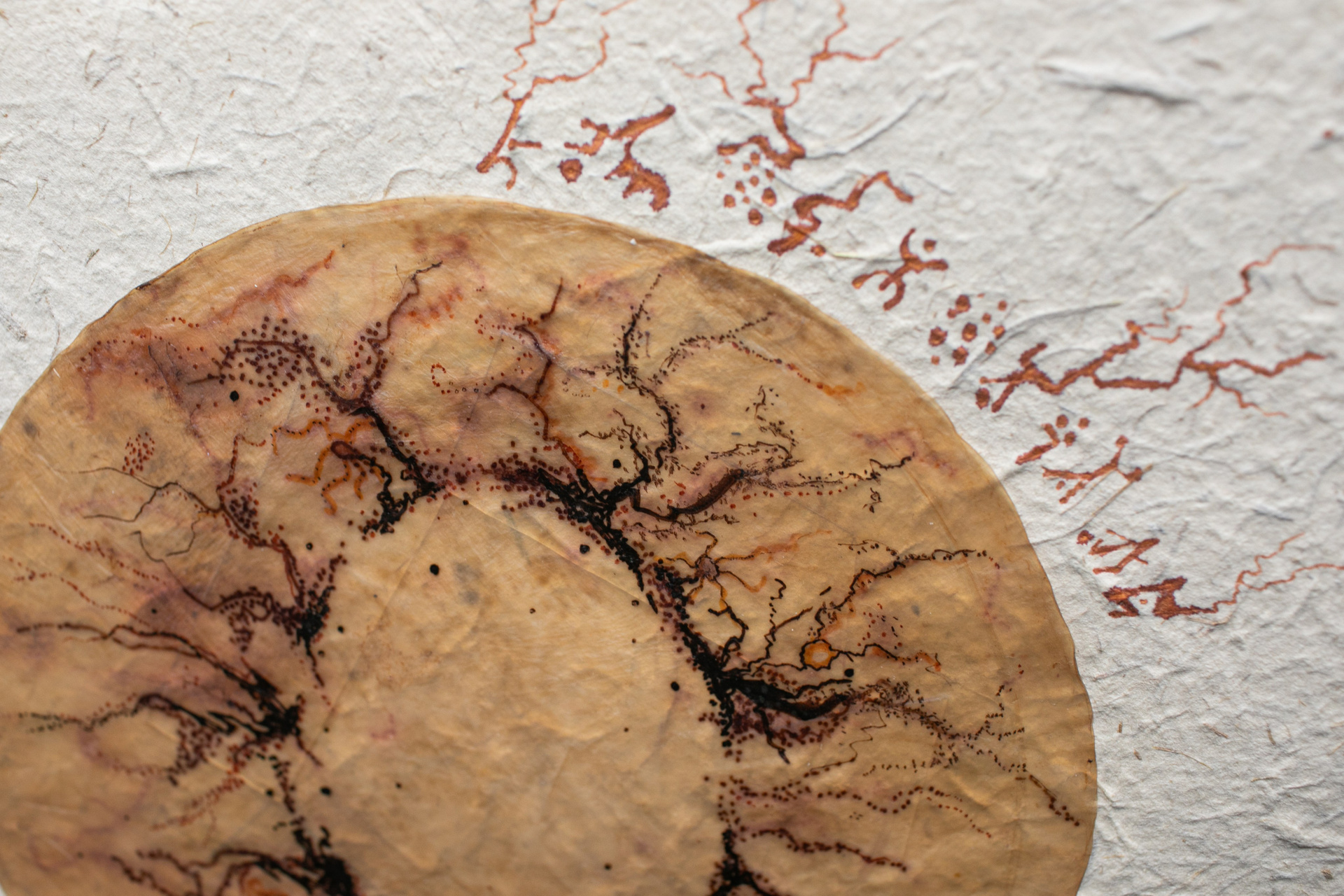
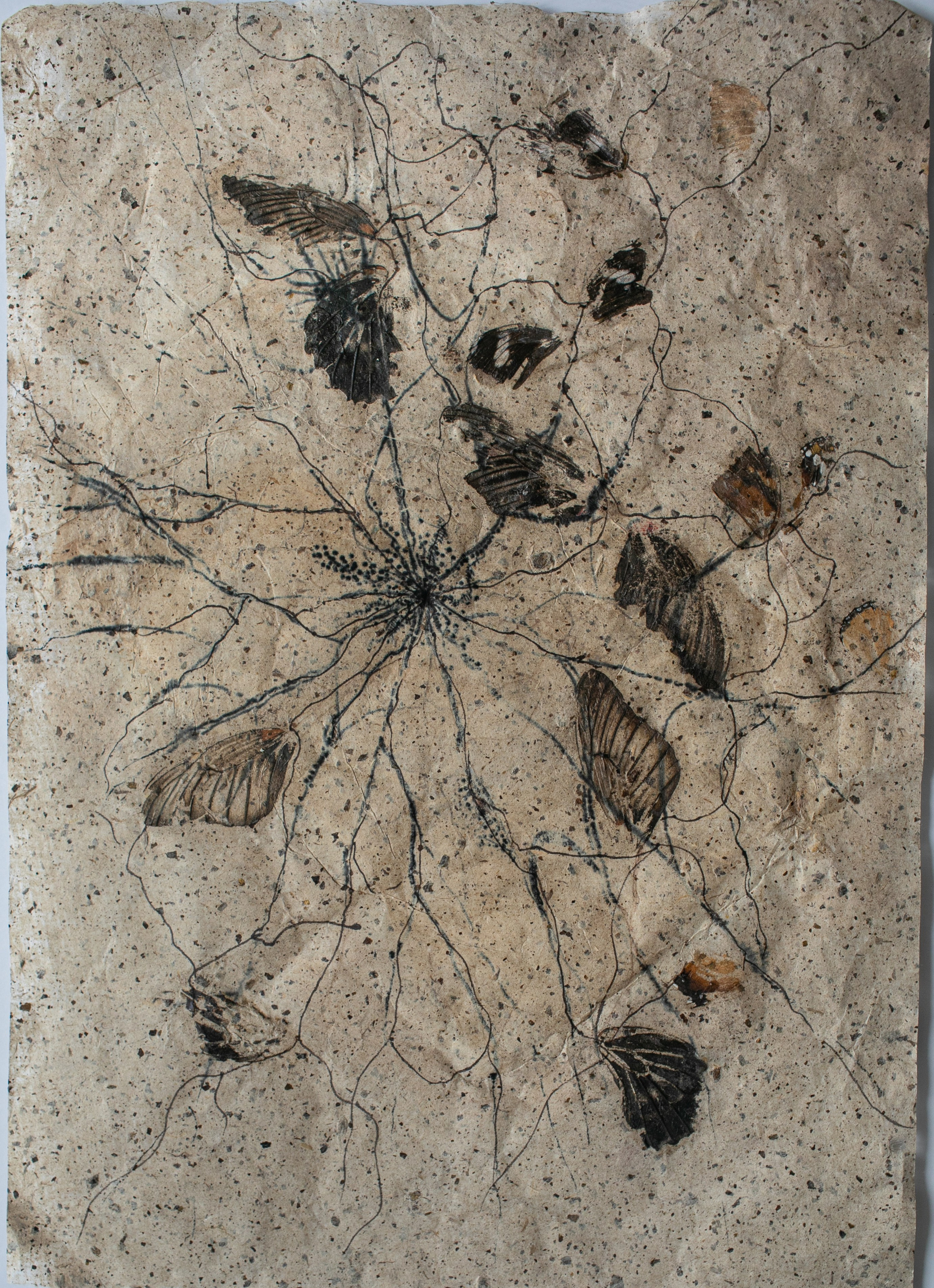
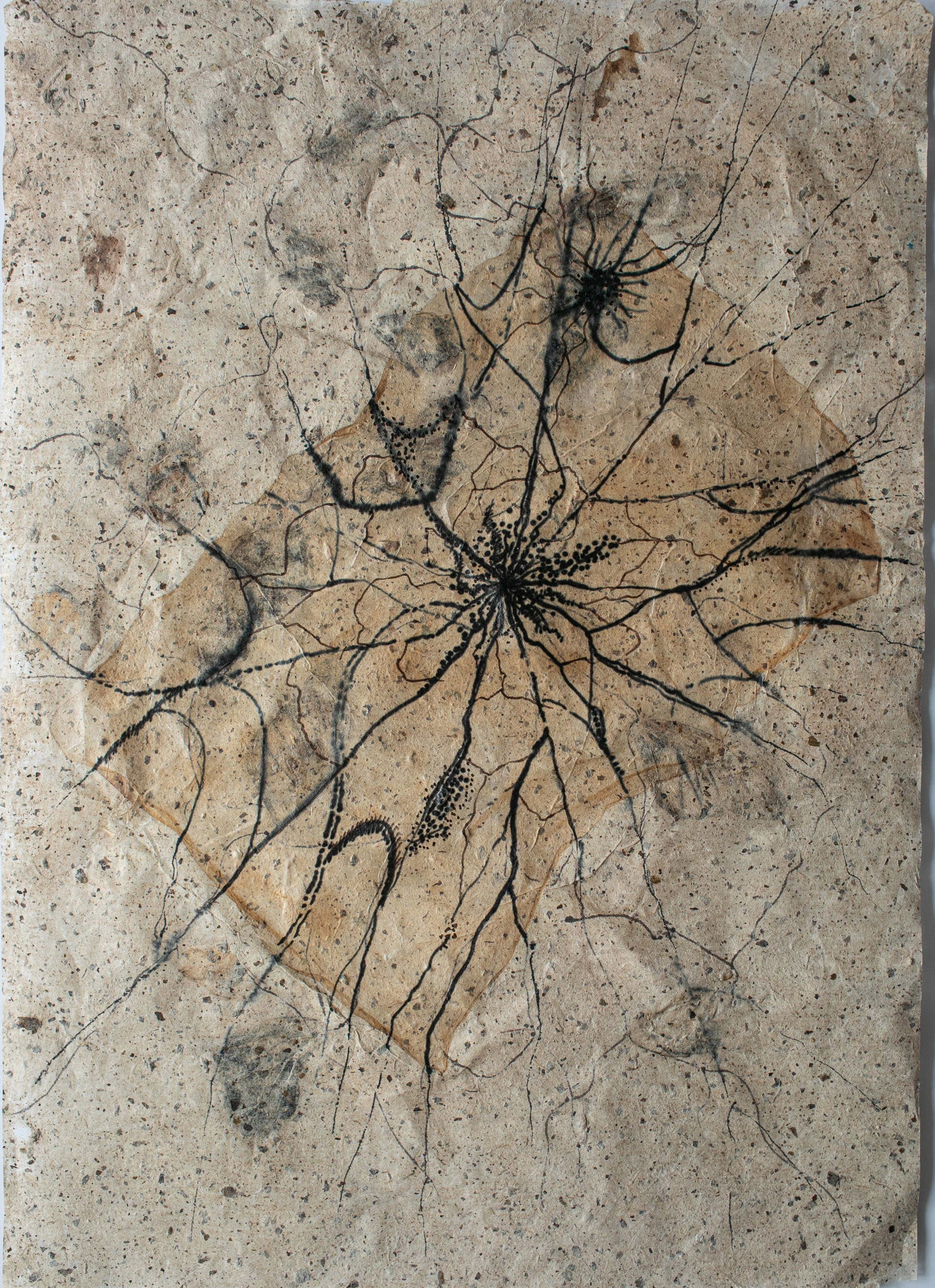
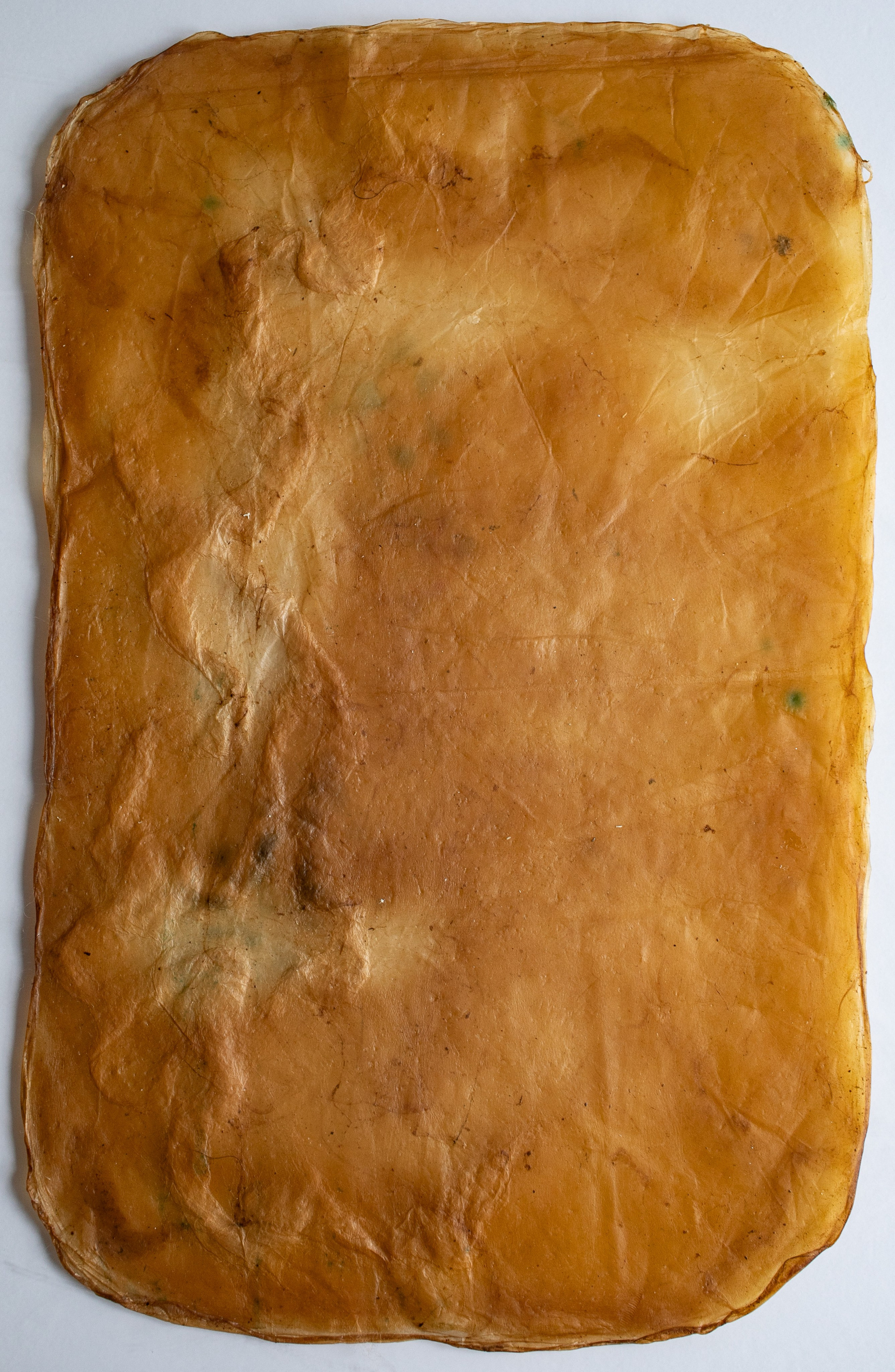
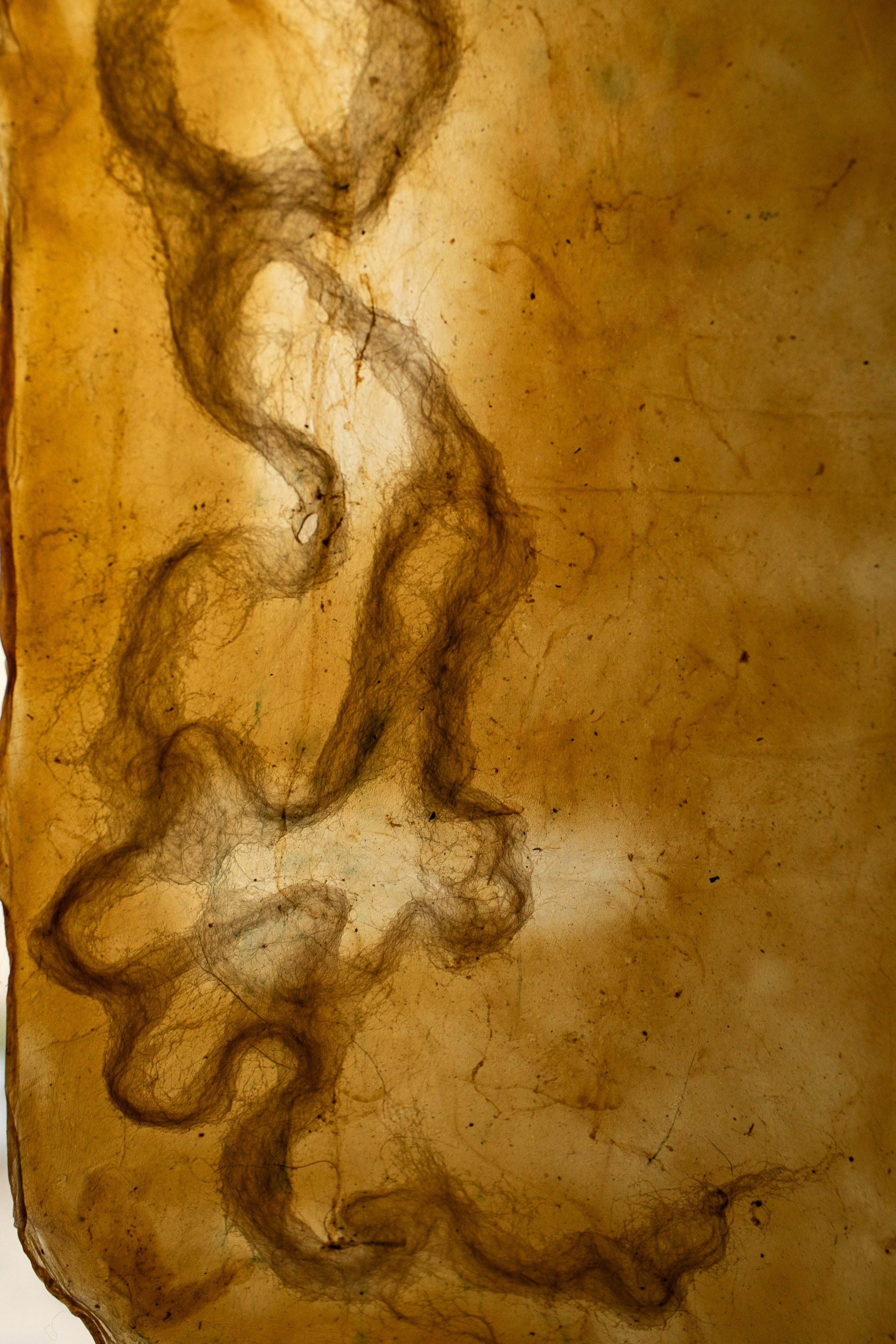
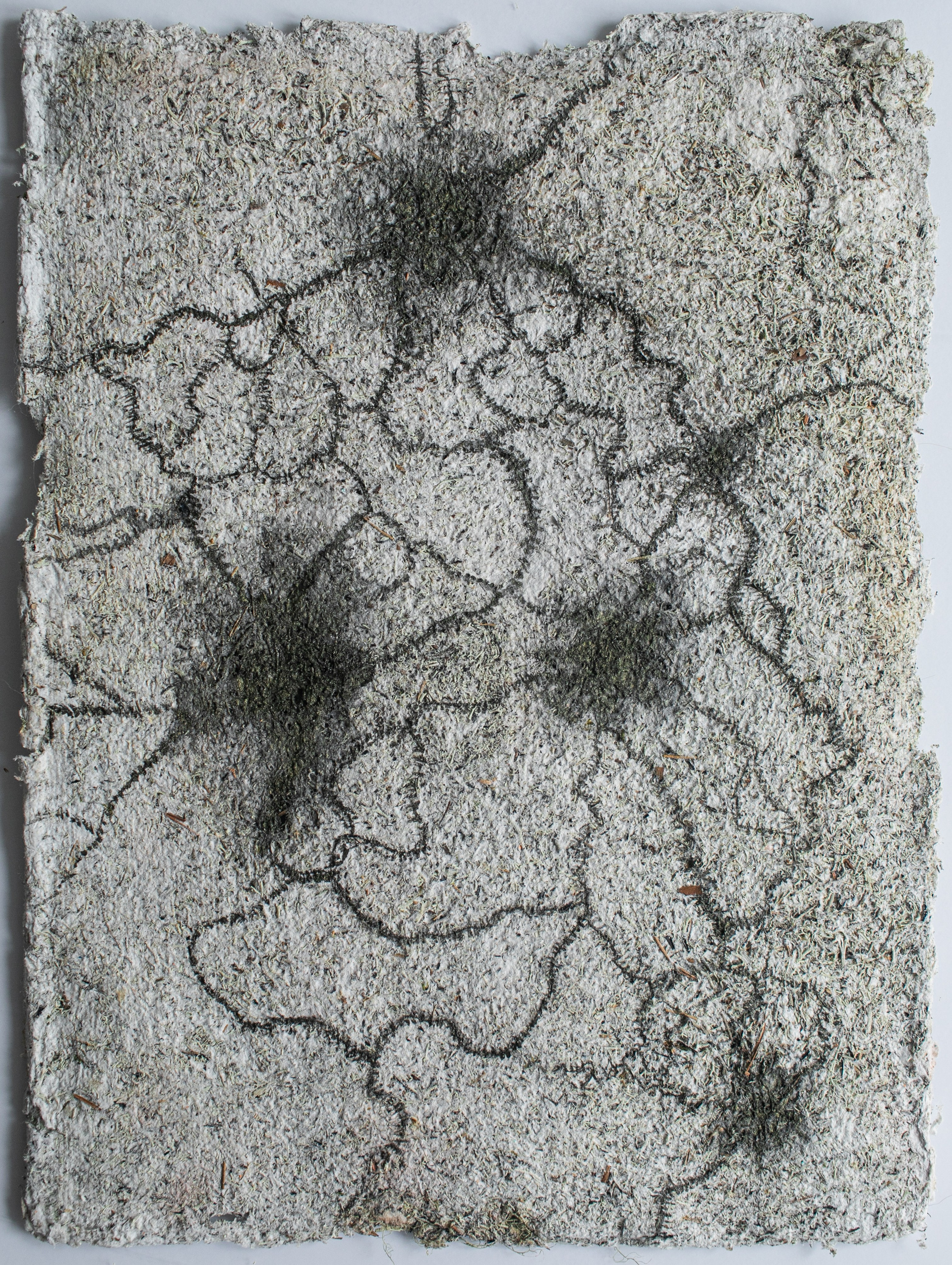
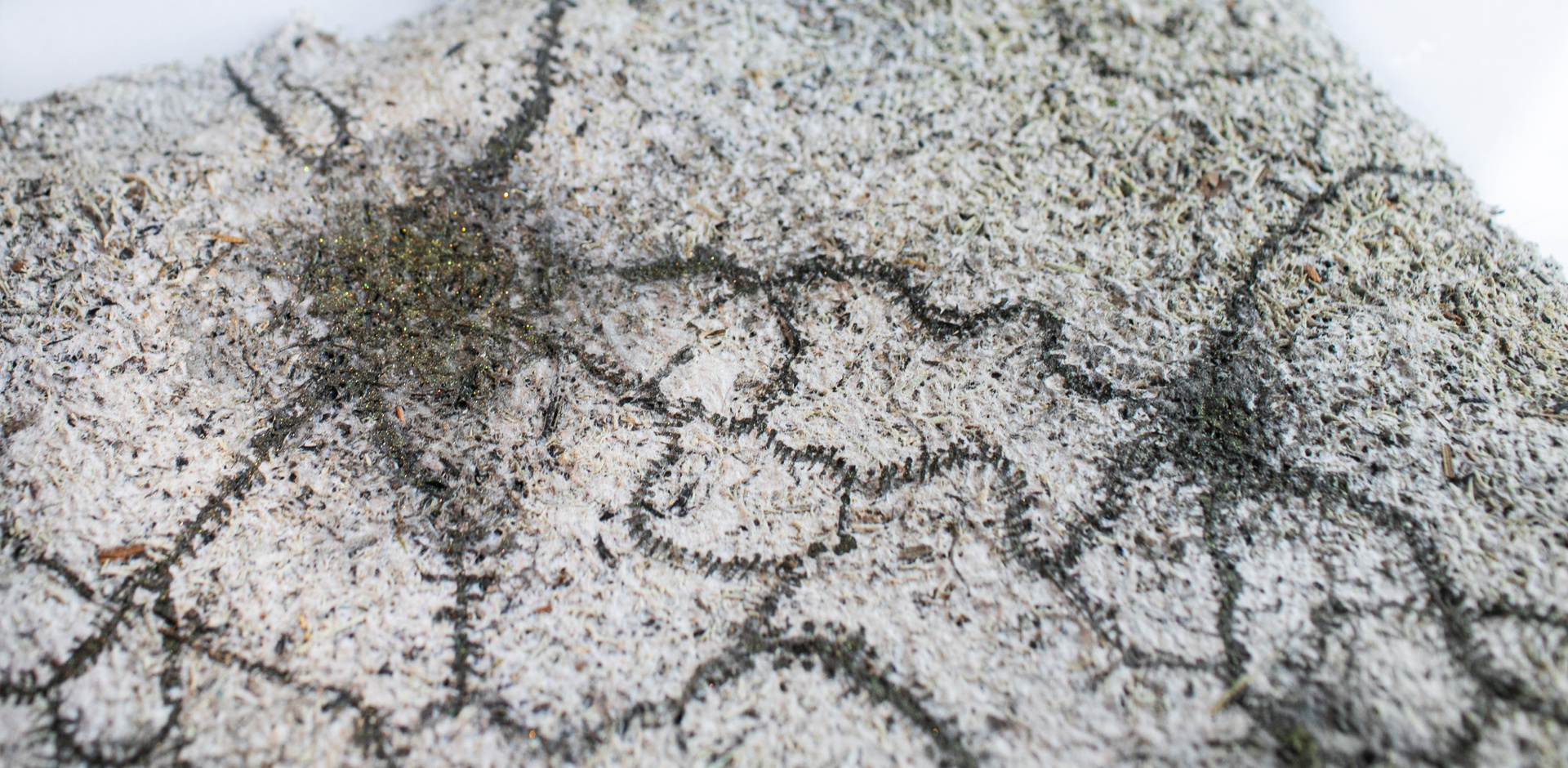
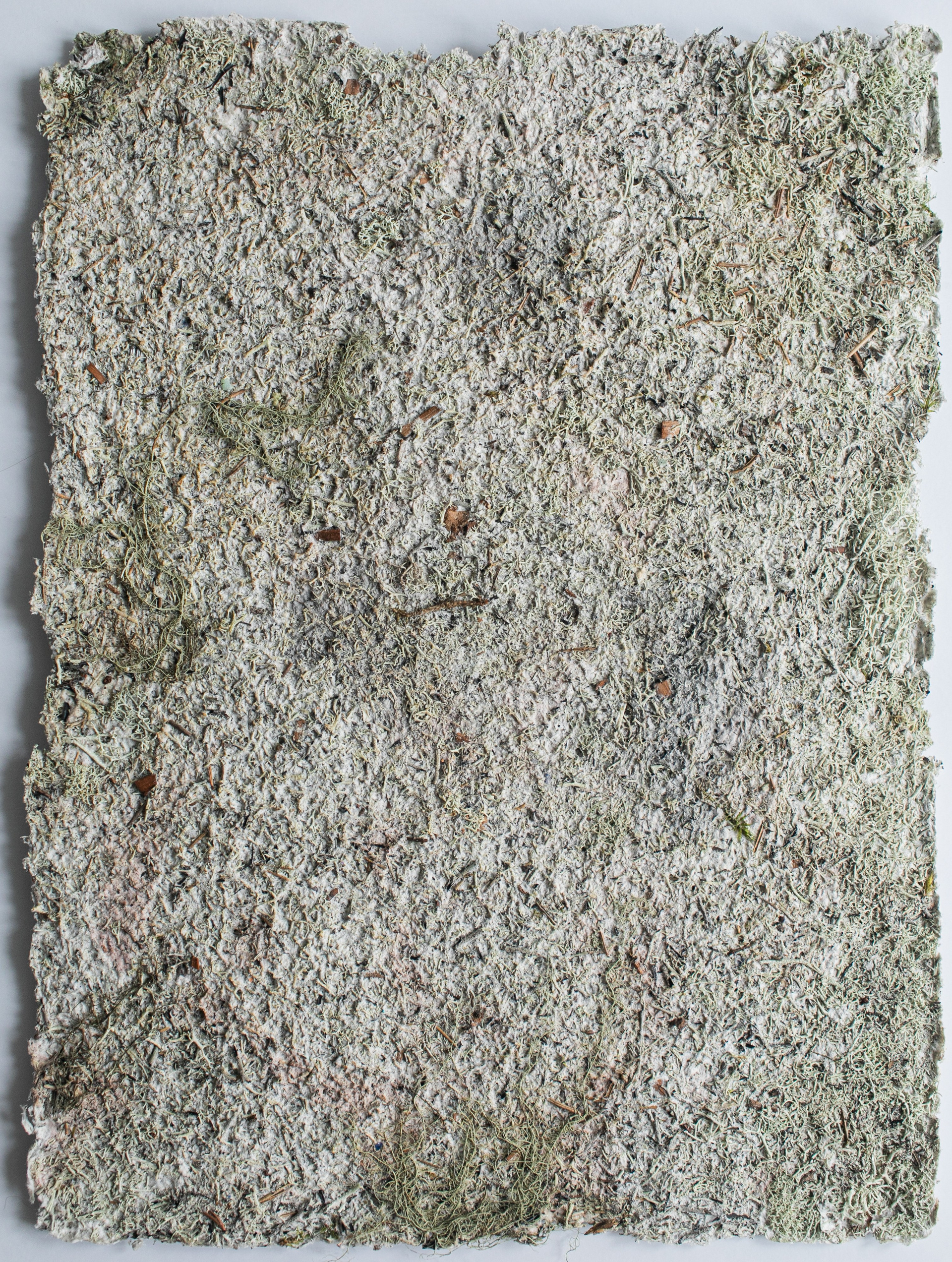
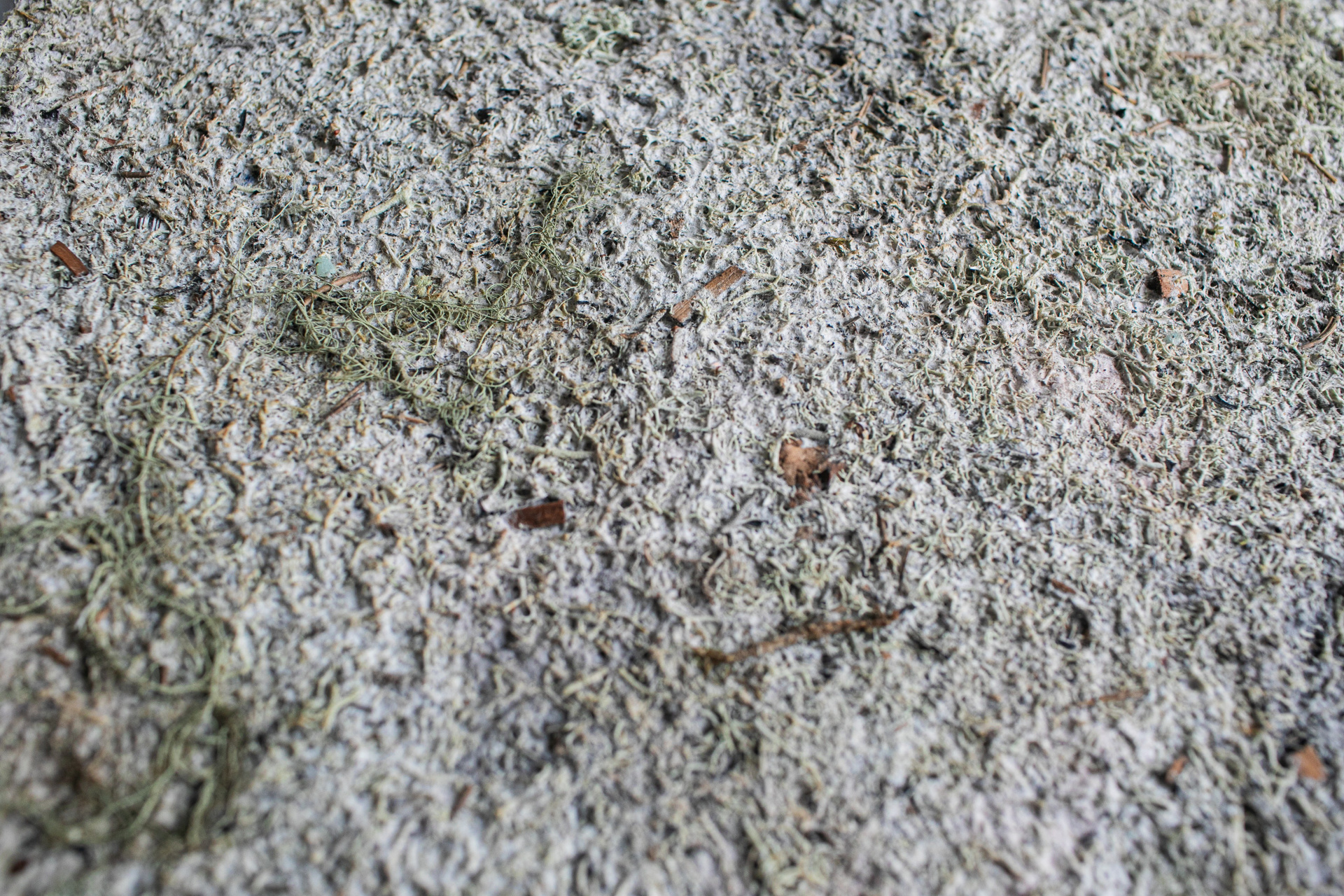
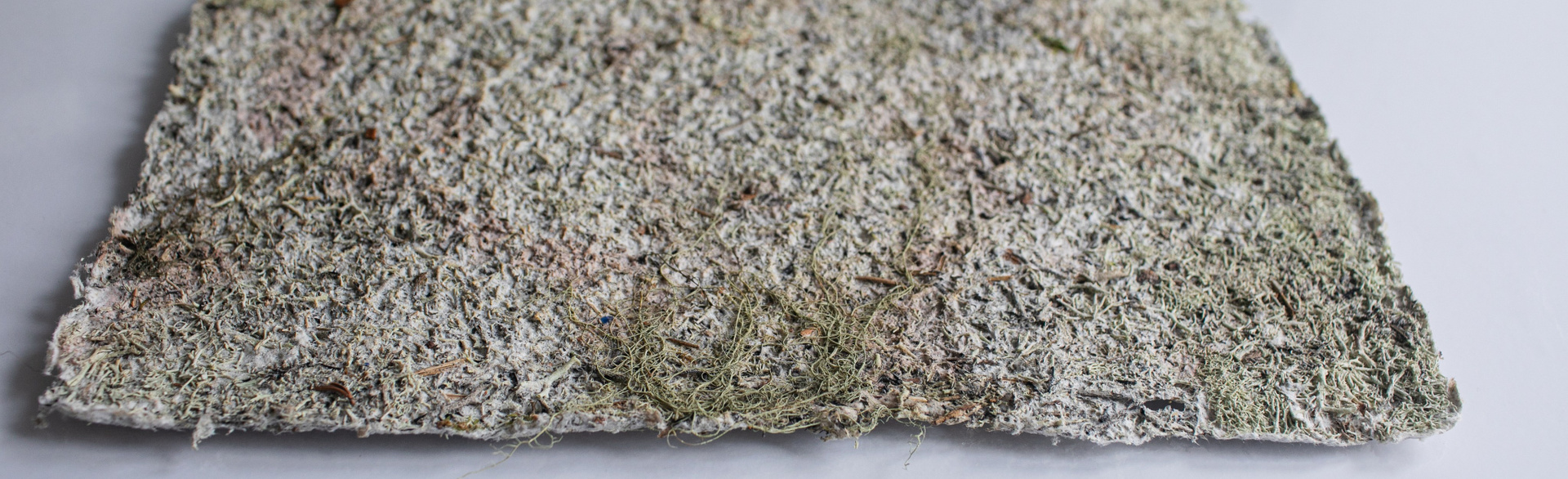
handmade paper, bacterial cellulose (SCOBY), mycelium-based material supplied by SPAWN, mosses, lichens, usnea, plant fragments, chemical patinas, iron-gall ink made from oak galls.
*The Legacy of the Sporal Paradise* is an artist’s book conceived as a material archive of an imagined world after the disappearance of humanity. Its starting point is the premise that the departure of human beings does not mean the disappearance of life or the end of history. Eden continues to exist, but its inhabitants and agents of transformation are now mosses, lichens, fungi, bacteria, insects and other forms of life.
The book brings together observations of natural structures, microscopic images, entomological and mycological material, and a system of fictional documents. These include *The Act of Inheriting Eden*, field notes and texts issued in the name of the fictional Ministry of Spore Dispersal. Together, they form an alternative archive in which familiar human systems of description and classification give way to another set of signs and testimonies.
The material form of the book extends this premise. I hand-cast paper incorporating natural fibres and lichens; some pages are made from bacterial cellulose grown through fermentation. The cover and selected elements incorporate a mycelium-based material supplied by SPAWN. The ink was prepared according to an iron-gall ink recipe using oak galls. Mosses, lichens, usnea and plant fragments are integrated into the visual and material structure of the book.
The varied surfaces, densities, fragility and textures of the pages create a particular mode of reading, in which visual perception is accompanied by touch and smell. The book becomes more than a carrier of text and images: its material construction forms part of the world it describes.